How to Get a Job in the USA as a Foreigner (2026)

Getting hired in the United States as a foreigner is absolutely possible, but it rarely happens by accident. The people who succeed treat it like a project: they understand the real pathways, they position themselves in sectors that actually hire from abroad, and they make sure U.S. employers can find them. This guide walks through how that works in 2026, without false promises about visas or guaranteed jobs.
Be honest about how U.S. hiring from abroad really works
Most U.S. jobs are filled by people already living in the country. When an employer hires someone from outside the U.S., it usually means one of two things: the role is hard to fill locally, or the worker brings a specific skill, willingness, or availability that stands out. Your job is to fit into one of those situations.
That means the winning mindset is not "who will give me any job?" but "which employers already have a reason to look beyond their borders, and how do I become an obvious choice for them?" Employers who hire internationally are looking for reliability, clear communication, verifiable skills, and someone who is genuinely ready to relocate and work hard.
Understand the realistic pathways
There is no single door into the U.S. labor market. The most common realistic routes include:
- Employer sponsorship. A U.S. company decides you are worth the effort and cost of supporting your work authorization. This is more common in skilled trades, healthcare, seasonal industries, and specialized technical roles than most people assume.
- Seasonal and temporary work programs. Agriculture, hospitality, and resort work often bring in workers for defined periods. These roles can be a first foothold and a way to build a U.S. work history.
- Skilled trade and healthcare demand. Certain occupations face persistent labor shortages, which makes employers far more willing to hire and support qualified foreign workers.
- Referrals and existing networks. Many foreigners get their first U.S. role through someone who already vouches for them.
Every legitimate pathway involves proper work authorization. Be extremely cautious of anyone promising a guaranteed visa, a job with no interview, or paperwork that sounds too good to be true. Real opportunities come with real employers and real processes.
Focus on sectors that actually hire from abroad
Some industries hire international workers far more often than others because they face ongoing shortages. If your background fits any of these, you have a stronger starting position:
Construction and skilled trades
Framing, concrete, general labor, and finishing work are in constant demand. Experience with tools, blueprints, and jobsite safety makes you more valuable.
Welding and fabrication
Certified or experienced welders are among the most sought-after trade workers. If you can document your welding experience and certifications, say so clearly.
Healthcare and caregiving
Nurses, caregivers, home health aides, and support staff are needed as populations age. Language ability, certifications, and compassion all matter here.
Logistics, warehousing, and transportation
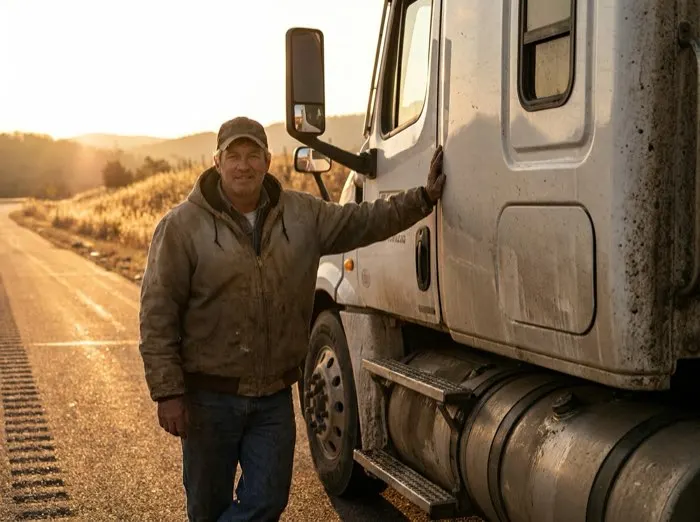
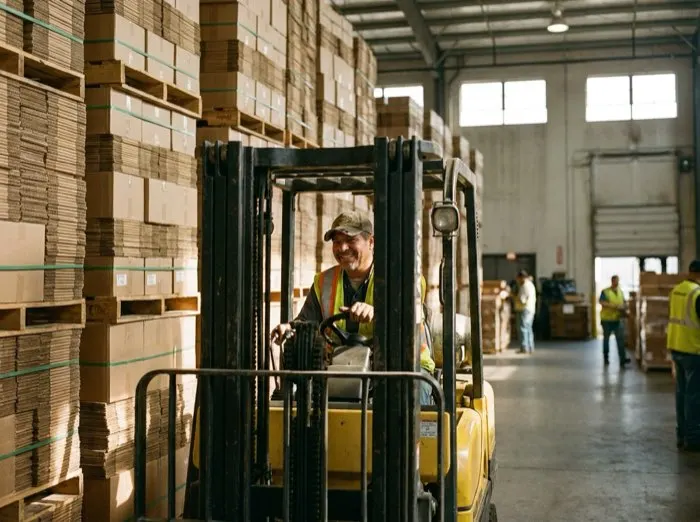
Warehouse operations, packing, driving, and distribution roles scale constantly and often hire people willing to work demanding shifts.
Hospitality
Hotels, restaurants, and resorts hire cooks, housekeeping, servers, and front-of-house staff, especially in seasonal and tourist-heavy regions.
Agriculture
Farm and harvest work remains one of the most common entry points for foreign workers through seasonal programs.
You do not need to fit all of these. Pick the one that matches your real experience and go deep on presenting it well.
Build a professional profile employers can trust
Whatever your sector, U.S. employers want to reduce risk. They cannot easily verify a stranger from another country, so anything that makes you look credible and prepared gives you an edge. A strong professional profile should clearly communicate:
- Your actual skills and years of experience, described in plain, specific terms.
- Certifications, licenses, or training relevant to your trade or field.
- Your availability and willingness to relocate, including how soon you could start.
- Your language ability, since even basic English is a meaningful advantage in most roles.
- A professional, respectful tone that signals you are serious and reliable.
This is exactly where being findable becomes as important as being qualified. Platforms like Workmerica let workers around the world build a profile in a registry that U.S. employers can search when they are looking to hire from abroad. Instead of sending hundreds of applications into the void, you become discoverable to the companies that are specifically open to international candidates.
Avoid the mistakes that quietly disqualify people
Many capable workers lose opportunities not because of their skills but because of avoidable errors:
- Being vague. "Hard worker, any job" tells an employer nothing. Specific experience wins.
- Ignoring English. You do not need perfect English, but showing you are learning or can communicate basics helps enormously.
- Chasing scams. Anyone who asks for large upfront fees for a "guaranteed" visa or job should be treated with serious suspicion.
- Being invisible. If employers cannot find you, your qualifications do not matter. Put yourself where hiring companies actually look.
- Giving up too early. International hiring takes time. Consistency and patience separate those who succeed from those who quit.
Your practical next steps
You can start making progress this week, even from another country:
- Choose the one sector that best matches your real experience.
- Write down your skills, certifications, and years of experience in clear, simple English.
- Gather any documents that prove your training or licenses.
- Create a professional profile in a registry where U.S. employers search for foreign workers, so hiring companies can discover you directly.
- Stay alert to scams and stick to legitimate employers and processes.
Getting a job in the U.S. as a foreigner is not about luck. It is about being genuinely qualified, honestly presented, and easy to find.
The workers who break through are the ones who combine real skills with real visibility. Do the work to build both, and you turn a distant dream into a concrete, reachable goal.
Ready to be found?
Create your profile in 2 minutes. Free, no credit card.
Keep reading