How to Transfer Your RN License to Michigan (2026 Guide)
Understanding Michigan Nursing Endorsement and Compact Status
If you hold an active Registered Nurse (RN) license in another US state and plan to move to Michigan, you must secure a Michigan license before you start practicing. Michigan is not a member of the Nurse Licensure Compact (NLC). Even if you hold a multi-state compact license from your current state, that compact privilege does not grant you authority to work as an RN in Michigan.
The state body responsible for overseeing nursing licenses is the Michigan Board of Nursing, which operates under the Michigan Department of Licensing and Regulatory Affairs (LARA). Because there is no compact automatic recognition, you must apply for a single-state Michigan RN license through a process called licensure by endorsement.
Endorsement allows LARA to issue you a Michigan license based on your existing out-of-state credentials and passing score on the NCLEX-RN. You do not need to retake the national exam, but you must complete Michigan-specific administrative steps and background checks.
Mandatory Michigan Requirements: Implicit Bias and Human Trafficking Training
Michigan has strict continuing education and initial licensure rules that differ from many other states. You must satisfy two specific training mandates before LARA will approve your endorsement application.
Implicit Bias Training: Michigan administrative rules require initial license applicants to complete two hours of implicit bias training. The training must be interactive, meaning it includes a live instructor and an opportunity for real-time discussion or Q&A. Standard pre-recorded, self-paced webinars that lack interactive elements do not fulfill this requirement. Ensure your course provider issues a certificate explicitly confirming the interactive format and duration.
Human Trafficking Training: You must complete a one-time training module on identifying and responding to victims of human trafficking. The course must cover human trafficking types, warning signs, screening methods, and legal reporting resources. This training can be completed through an accredited continuing education provider, an academic course, or a qualified professional organization. You must keep proof of completion in case LARA audits your file.
Step-by-Step Application Process via MiPLUS
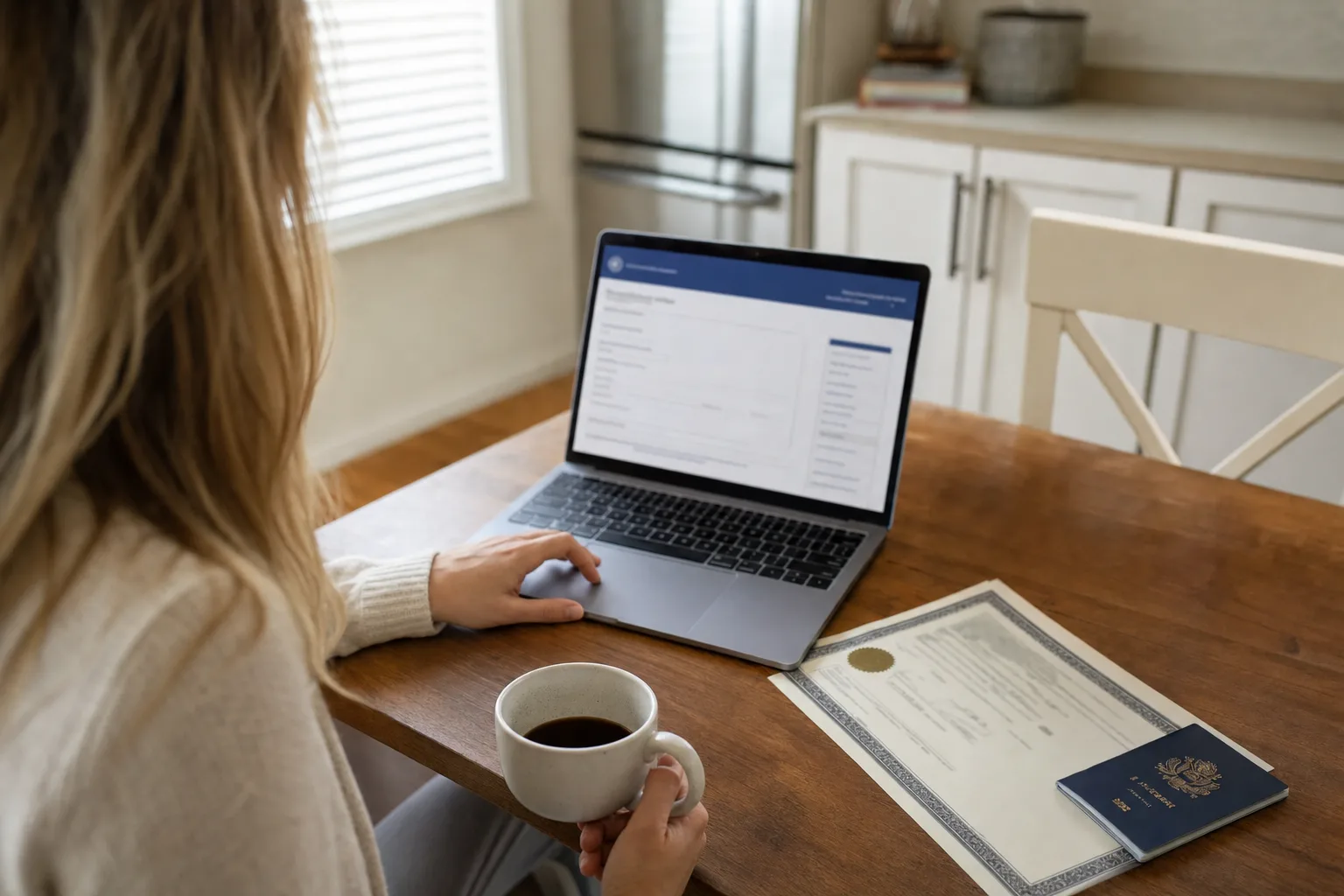
Michigan processes all professional healthcare licensing through an online portal called the Michigan Professional Licensing User System (MiPLUS). You will complete every stage of your endorsement application through this system.
- Create a MiPLUS Account: Register your online account on the official LARA portal. Ensure your full legal name matches your existing state nursing license and primary identification documents exactly.
- Submit the Endorsement Application: Select the Registered Nurse License by Endorsement application path. Complete the personal background history, medical disclosure questions, and professional education details.
- Request License Verifications: Michigan requires official license verification from your original state of licensure by exam, as well as every US jurisdiction where you currently hold or have ever held a nursing license. Most states use the online Nursys system. If any state where you held a license does not participate in Nursys, you must send that state board a manual verification form directly.
- Complete the Criminal Background Check: All applicants must submit fingerprints for state and federal background clearance. If you are completing this process while still living outside Michigan, LARA will provide specific out-of-state fingerprint instructions and agency codes for processing via IdentoGO or hard-card submission.
- Upload Required Documentation: Submit your certificates of completion for both implicit bias training and human trafficking training directly into your MiPLUS portal portal application file.
Fees, Processing Timelines, and Verification Costs
Budgeting for your move requires accounting for licensing costs and verification fees across multiple agencies. Fees can change based on state updates, so always check the LARA portal to confirm exact amounts before paying.
- LARA Endorsement Application Fee: The state application fee generally ranges between $90 and $140, depending on where your application falls within Michigan's biennial license renewal cycle. Confirm the current exact fee on the LARA site when you start your application.
- Nursys Verification Fee: Nursys charges $30 per state board to send official verification records to Michigan. If you have been licensed in three states over your career, you will pay $90 in total Nursys fees.
- Fingerprint Processing Fee: Vendor and federal background check fees for fingerprinting generally range between $60 and $75.
- Processing Timeline: Once LARA receives your application, complete background check, proof of training, and all state verifications, processing typically takes 4 to 8 weeks. Incomplete verifications or errors on fingerprint cards can stretch the timeline to 10 weeks or more. Track your file status weekly inside your MiPLUS account dashboard.
What People Get Wrong
- Assuming NLC compact coverage applies: Michigan is not in the Nurse Licensure Compact, so your out-of-state multi-state license cannot be used for employment here.
- Taking non-interactive implicit bias courses: Submitting self-study modules without live interaction will cause LARA to reject your training certificate.
- Omitting past state licenses: Failing to report an inactive or expired license from another state delays approval until LARA receives verification from every state you ever held a license in.
- Fingerprinting without the correct LARA code: Getting fingerprinted at a local police station without the specific Michigan Identogo routing codes will result in rejected prints.
- Expecting state relocation grants: Michigan does not offer statewide financial programs that pay individuals to relocate to the state.
Tax Structure and Practical Considerations for RNs
Understanding Michigan's tax environment is essential when evaluating job offers and calculating your net pay after moving.
Michigan imposes a flat 4.25% state income tax on personal earnings. Unlike states with progressive tax brackets, every dollar of taxable income is taxed at this single state rate. However, local city income taxes are common in Michigan. If you live or work in cities such as Detroit, Grand Rapids, Lansing, Flint, or Saginaw, you will owe an additional municipal income tax. Detroit, for example, levies a local income tax of 2.4% on residents and 1.2% on non-residents working within city limits. Take these local municipal rates into account when budgeting for your new clinical role.
Additionally, keep in mind that there are no statewide incentive programs that pay workers to relocate to Michigan. Any financial moving support will need to come directly from your employer's sign-on bonus or relocation package.
Take the Next Step in Your Michigan Nursing Career
Transferring your nursing career to Michigan is straightforward once you submit your MiPLUS application and fulfill the state training mandates. To explore local resources, check municipal tax structures, and view current job openings, visit the Michigan page on Workmerica. You can access the nurse aide registry details, review the state tax table, and browse live healthcare postings. Creating a free profile puts your credentials directly in front of Michigan employers looking to hire registered nurses moving from out of state.
Pronto para ser encontrado?
Crie seu perfil em 2 minutos. Grátis, sem cartão de crédito.
Continue lendo