How to Transfer Your RN License to Pennsylvania (2026)
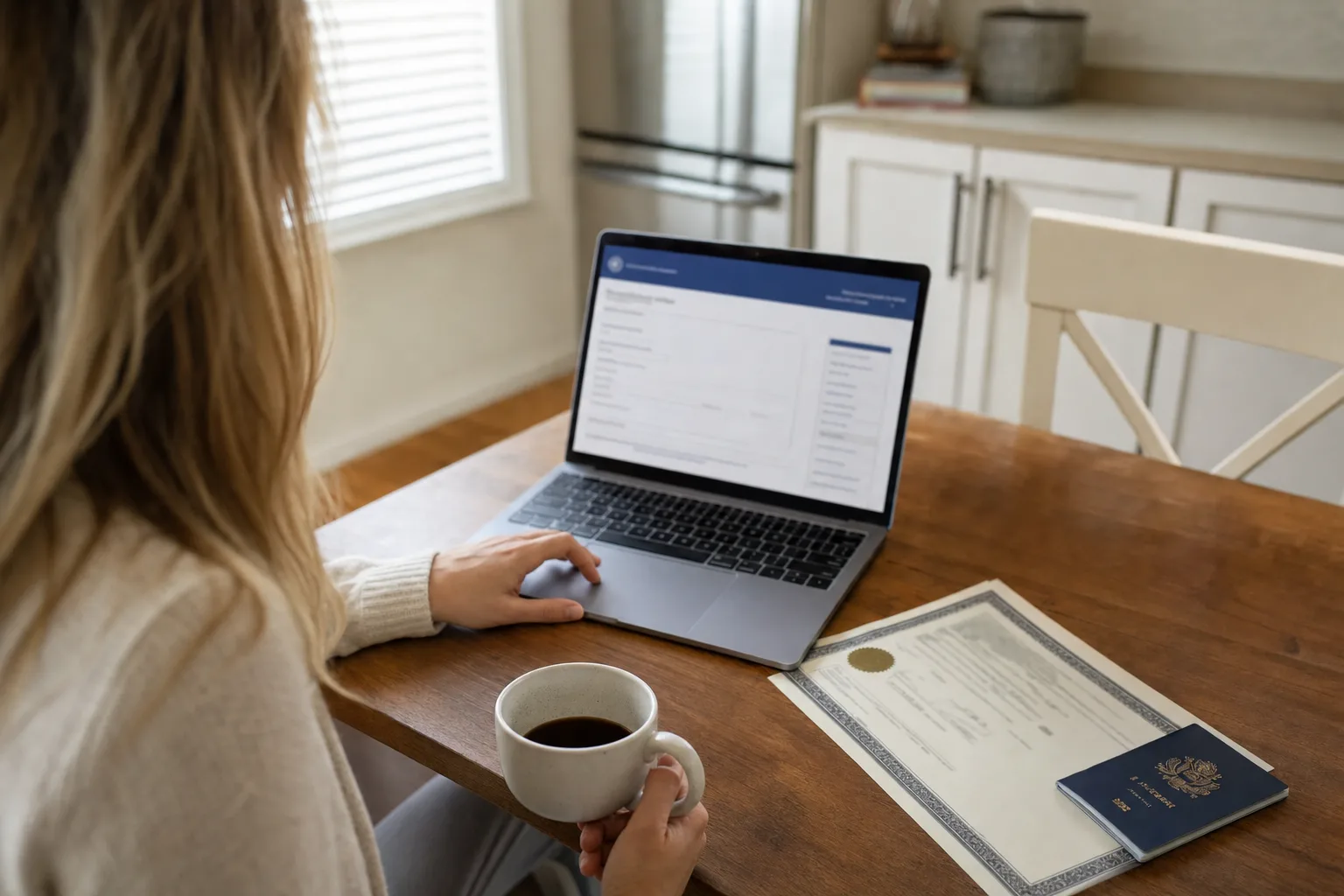
Pennsylvania RN License Transfer Overview
If you are an active registered nurse relocating to Pennsylvania, you must secure authorization to practice from the Pennsylvania State Board of Nursing, which operates under the Bureau of Professional and Occupational Affairs. Pennsylvania handles all professional license applications through an online portal called the Pennsylvania Licensing System, commonly known as PALS.
Moving across state lines requires navigating specific state mandates that differ from the national baseline. Pennsylvania has specific rules regarding criminal background checks, mandatory child abuse continuing education, and local tax structures that directly affect your overall compensation. Plan your transfer process at least two to three months before your target start date to ensure your credentials are clear before walking onto the unit.
Does Pennsylvania Recognize Your Existing License? (NLC Rules)
Pennsylvania is a member of the Nurse Licensure Compact (NLC). How you transition your license depends entirely on whether your current primary state of residence is an active NLC state and whether you hold a valid multi-state license (MSL).
- Holding an active multi-state license: If you currently live in an NLC state and hold an active multi-state license, you can begin working in Pennsylvania immediately upon moving without waiting for a separate Pennsylvania license.
- Establishing primary residence in Pennsylvania: Once you move to Pennsylvania and establish it as your primary state of residence (by obtaining a Pennsylvania driver's license, registering to vote, or filing state taxes), you must apply for a Pennsylvania multi-state or single-state license by endorsement. Under compact rules, you typically have 60 days from the date you declare Pennsylvania as your legal residence to complete this transition.
- Moving from a non-compact state: If you hold a single-state license from a non-NLC state, you cannot practice in Pennsylvania until the Pennsylvania State Board of Nursing issues your endorsement license or a temporary practice permit.
Step-by-Step Endorsement Process in PALS
All endorsements go through the PALS online portal at pals.pa.gov. Do not send paper application forms unless explicitly directed by the Board, as paper submissions severely delay processing.
- Create a PALS account: Register a new user profile on the PALS website. Ensure your legal name matches your official identification and your primary state license exactly.
- Request NURSYS verification: Most US states use NURSYS for license verification. Visit nursys.com and request a verification report sent to the Pennsylvania State Board of Nursing. If your original state of licensure does not participate in NURSYS, you must request an official verification form directly from that state's board of nursing.
- Submit official transcripts: Request that your nursing education program send an official transcript showing your degree conferral directly to the Board. Electronic transcripts must be sent via a secure credential service.
- Complete the online endorsement application: Fill out the RN endorsement application inside your PALS dashboard, upload the required identification documents, and pay the non-refundable application fee.
Required Background Checks and Mandatory Training
Pennsylvania imposes distinct background check and education requirements that differ from many other jurisdictions. You cannot receive a full license until every clearance is verified.
- Act 31 Child Abuse Training: Every applicant for an initial RN license in Pennsylvania must complete three hours of Board-approved continuing education on child abuse recognition and reporting. The course provider must be explicitly approved by the Pennsylvania Department of Human Services. Once completed, the provider reports your attendance directly to the Board electronically. Courses taken from non-approved national providers will not be accepted.
- Pennsylvania State Police PATCH Check: You must submit a Pennsylvania Access To Criminal History (PATCH) record check. This can be requested online through the state police portal.
- FBI Fingerprint Background Check: Out-of-state applicants must submit fingerprints through the state's contracted vendor, IdentoGO. You must register through IdentoGO using the specific service code provided within your PALS application so the results route directly to the Nursing Board.
- Child Abuse History Clearance: You must complete a Pennsylvania Child Abuse History Clearance through the Pennsylvania Department of Human Services Child Welfare Portal.
Costs, Temporary Permits, and Processing Timelines
Budget for several separate fees when preparing your endorsement application. Because state fee schedules are updated periodically, confirm current costs directly on the Pennsylvania Board site before submitting payment.
- Application fee: The Pennsylvania Board RN endorsement application fee generally runs between $100 and $140. Confirm the exact fee inside PALS prior to submission.
- Verification fees: NURSYS verification currently costs $30 per license board lookup.
- Background check fees: Expect to spend between $40 and $60 total for your PATCH check, FBI fingerprinting service, and Child Abuse History Clearance.
- Temporary practice permit: If you need to start working before your background checks clear, you can request a temporary practice permit in PALS for an additional fee (typically around $35 to $50). A temporary permit is generally valid for 90 to 180 days or until the full license is issued.
- Processing timeline: Once all documents, background checks, and transcripts are submitted, standard endorsement processing takes between four and eight weeks. Temporary permits are often issued within one to three weeks if the primary verification is complete.
What People Get Wrong About Moving to Pennsylvania as a Nurse
- Assuming general CE satisfies Act 31: Completing a general national child abuse course will not satisfy Pennsylvania law. You must take a course specifically approved by the Pennsylvania Department of Human Services that submits your completion electronically to PALS.
- Ignoring local income taxes: Pennsylvania has a flat state income tax rate of 3.07%. However, municipalities levy an additional Earned Income Tax (EIT). Most places charge around 1%, but if you live or work in Philadelphia, the local wage tax rises to 3.75%. Factor local taxes into your net pay calculations.
- Delaying fingerprint registration: Registering with IdentoGO without using the official Pennsylvania Board service code causes your fingerprints to end up in the wrong system, delaying your application by weeks.
- Expecting state relocation grants: Pennsylvania offers no statewide financial incentive or grant programs that pay nurses to move to the state. Any relocation assistance must come directly from your prospective employer.
Take the Next Step in Pennsylvania
Before finalizing your move, make sure you have calculated your take-home pay under local tax laws and verified the current status of your application. Visit the Pennsylvania page to access the nurse registry links, local tax tables, and active job opportunities. Creating a free profile connects you directly with Pennsylvania healthcare employers looking to hire qualified nurses relocating from out of state.
Moving for a job?
Tell us your trade and your two states. We send the licence steps and show you to employers hiring from out of state. Free.
Keep reading