US Jobs That Hire Foreign Workers (2026 Guide)

If you want to work in the United States, one of the smartest things you can do is aim at the jobs that actually hire foreign workers. Not every role is realistic to pursue from abroad, but a surprising number of U.S. employers regularly hire internationally because they simply cannot fill positions with local workers alone. Knowing where the demand is, and how to position yourself, dramatically improves your odds.
Why some U.S. jobs hire foreign workers at all
American employers generally prefer to hire locally because it is faster and simpler. So when a company reaches beyond its borders, there is usually a clear reason:
- The role is physically demanding or requires skills that are in short supply.
- The work is seasonal and needs a reliable influx of workers at peak times.
- The industry has ongoing labor shortages that local hiring cannot solve.
- The employer values a specific certification, trade skill, or work ethic.
Understanding this changes your strategy. Instead of applying everywhere, you focus on the fields where an employer already has a reason to consider someone from another country.
The U.S. jobs that most commonly hire foreign workers
These sectors consistently hire internationally. If your background fits one, you are starting from a position of strength.
Construction and general labor
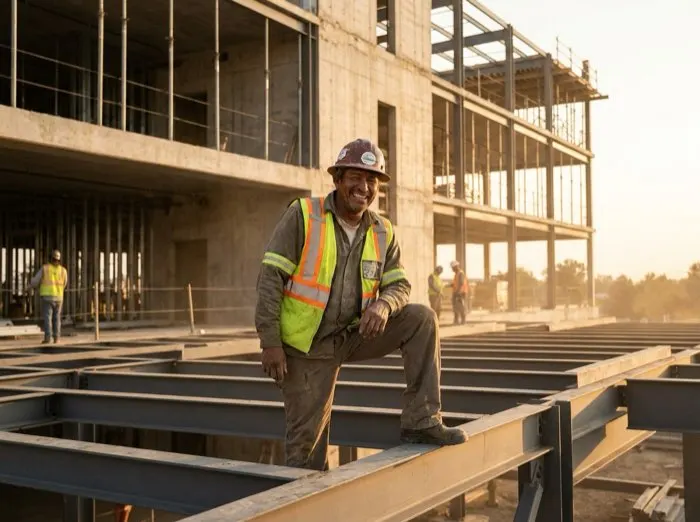
The U.S. construction industry faces steady demand for framers, laborers, concrete workers, roofers, and finishers. Employers value people who understand jobsite safety, can read basic plans, and are physically prepared for the work. Prior experience with tools and materials sets you apart immediately.
Welding and metal fabrication
Skilled welders are among the hardest workers to find in the U.S. If you have welding experience or certifications, you are exactly the kind of candidate employers look for abroad. Being able to document your skills and the types of welding you have done is a major advantage.
Healthcare and caregiving
As the population ages, demand grows for nurses, caregivers, home health aides, and long-term care staff. These roles reward compassion, reliability, relevant certifications, and communication skills. Even entry-level caregiving positions frequently draw international candidates.
Logistics, warehousing, and delivery
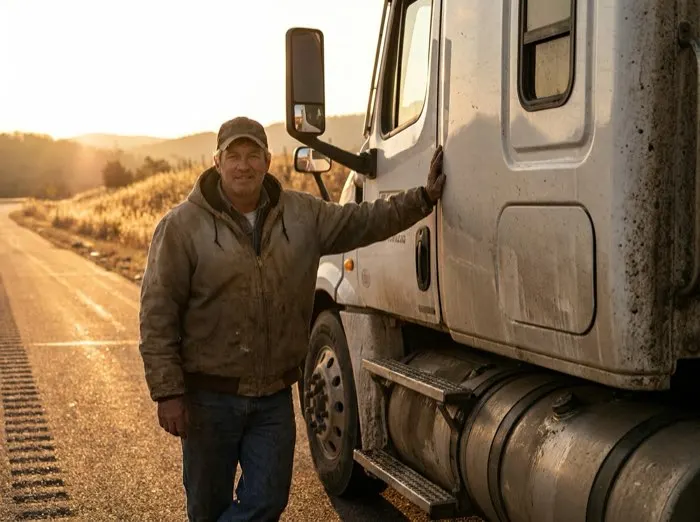
Distribution centers, warehouses, and transportation companies operate around the clock and constantly need workers for packing, sorting, loading, and driving. Willingness to work night shifts or weekends can make you especially attractive.
Hospitality and food service
Hotels, restaurants, and resorts hire cooks, kitchen staff, housekeepers, servers, and front-desk workers, particularly in tourist regions and during busy seasons. These roles often serve as an important first step into the U.S. workforce.
Agriculture and seasonal work
Farm work, harvesting, and food processing remain among the most common entry points for foreign workers, largely through seasonal programs. The work is demanding, but it offers a legitimate way to build U.S. work experience.
Typical requirements to expect
Requirements vary by role, but most employers who hire from abroad look for a similar core set of things:
- Proof of relevant skills or experience. Even a clear, honest description of what you have done goes a long way.
- Certifications or licenses where they apply, such as welding certifications or caregiving training.
- Physical readiness for demanding work, especially in trades, agriculture, and logistics.
- Basic English communication. You rarely need fluency, but being able to understand instructions and communicate safely matters.
- Reliability and availability. Employers want to know you are serious, ready to relocate, and able to commit.
- Proper work authorization. Every legitimate job requires you to be authorized to work. Be wary of anyone who claims otherwise.
How to position yourself as the obvious choice
Two workers with the same skills can get very different results based on how they present themselves. To stand out:
- Be specific. Instead of "experienced worker," say "5 years of residential framing and concrete work." Detail builds trust.
- Highlight certifications early. If you have them, make them impossible to miss.
- State your availability clearly. Tell employers you are ready to relocate and roughly when you could start.
- Show basic English. Even a short, well-written profile signals you can communicate.
- Keep it professional. A respectful, organized presentation makes an employer feel safe choosing you.
Why being findable matters as much as being qualified
Here is a hard truth many talented workers miss: an employer cannot hire someone they never find. You might be the perfect welder or caregiver, but if hiring companies do not know you exist, none of it counts.
This is why a searchable professional profile is so powerful. When U.S. employers decide to hire from abroad, they need a place to look for candidates. A registry like Workmerica lets workers worldwide create a profile that employers can search, so instead of endlessly chasing job posts, you make yourself discoverable to the companies actively open to international hires. Visibility turns your qualifications into real opportunities.
The best job in the world does you no good if the employer never knows your name. Being findable is not optional, it is the whole game.
Putting it all together
The path to a U.S. job as a foreign worker becomes much clearer when you target the right sectors and present yourself well. To recap:
- Focus on industries that genuinely hire from abroad, such as construction, welding, healthcare, logistics, hospitality, and agriculture.
- Meet the core requirements: provable skills, relevant certifications, basic English, reliability, and legal work authorization.
- Present yourself specifically and professionally so employers trust you.
- Make sure you are visible in a place where U.S. employers actually search for foreign workers.
Do these things, and you stop hoping to be discovered and start making it likely. The jobs are real, the demand is real, and the workers who prepare and stay visible are the ones who get hired.
Ready to be found?
Create your profile in 2 minutes. Free, no credit card.
Keep reading