How to Transfer Your Teacher License to Florida (2026)
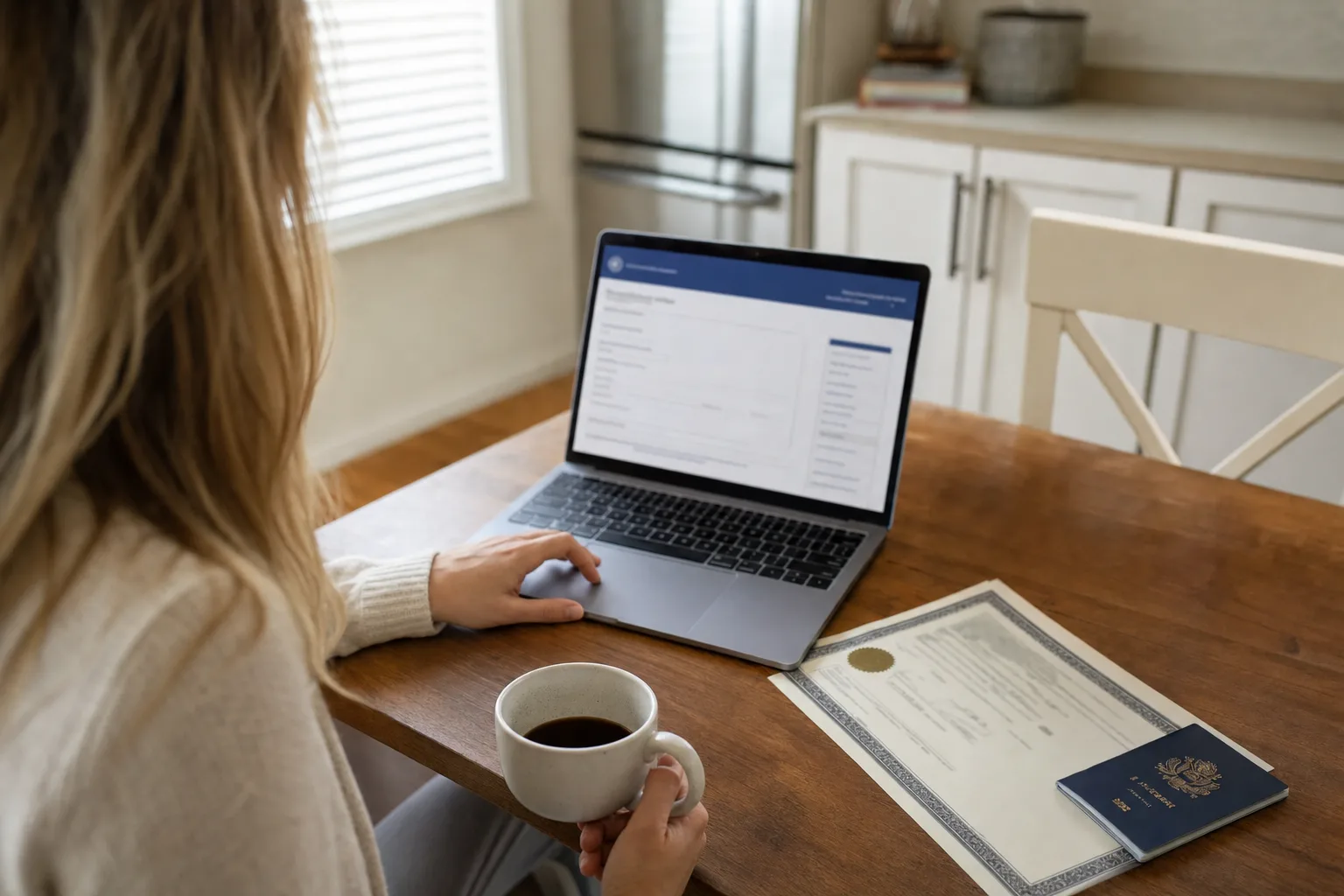
Understanding Florida Teacher Reciprocity in 2026
Moving your K-12 teaching career to Florida is straightforward, but it requires navigating a specific state system. The state agency responsible for evaluating and issuing educator credentials is the Florida Department of Education (FLDOE) through its Bureau of Educator Certification (BEC). Florida does not offer an instant, automatic transfer where your existing license simply swaps for a Florida credential. Instead, the state relies on a structured reciprocity pathway designed to evaluate your out-of-state credentials against Florida standards.
Under Florida law, reciprocity allows out-of-state educators who hold a valid, standard teaching license from another US state or territory to qualify for a Florida certificate. If you hold a full, professional-level certificate in your home state, Florida will evaluate your subject area coverages to match them to equivalent Florida subject endorsements. The primary benefit of reciprocity is that a valid standard credential from another state usually waives initial Florida teacher testing requirements for the subjects shown on your standard license.
If you hold an entry-level, provisional, temporary, or emergency credential from another state, you will not qualify for full reciprocity right away. Instead, FLDOE will process your application through a standard pathway, which requires you to fulfill testing or coursework requirements while teaching under a initial credential. Understanding where your current license falls before you submit your paperwork saves time, money, and stress during your move.
Choosing Your Path: Temporary vs. Professional Certificate
Florida issues two main types of educator certificates for classroom teachers in public and charter K-12 schools. Knowing which certificate you qualify for dictates your timeline and your immediate steps upon arrival.
- Professional Certificate: This is Florida's standard, renewable 5-year educator credential. You qualify for this certificate if you hold a valid, full out-of-state standard license in a comparable subject area, or if you meet all Florida testing and subject requirements upfront. It demonstrates that you have met all professional competency standards set by the state.
- Temporary Certificate: This is a non-renewable 3-year credential designed to get you into the classroom quickly. If your out-of-state license is provisional, or if you hold a bachelor degree in a teachable subject but have not completed all testing or pedagogical coursework, FLDOE issues this certificate. It allows you to teach full time for three years while completing your remaining Florida requirements.
If you qualify for a Temporary Certificate, your school district employer will work with you to complete a professional development module or specific state testing before the 3-year term expires. You cannot extend or renew a Temporary Certificate, so fulfilling those extra requirements during your first two years in Florida is critical.
Step-by-Step: Sending Your Application to FLDOE
To transfer your teaching license to Florida, you must complete an online application directly through the FLDOE Bureau of Educator Certification web portal. Do not rely on school district personnel to start this process for you; you must submit your initial application directly to the state.
- Create an online account: Register on the FLDOE Online Licensing Service portal. Ensure all personal details match your official government identification exactly.
- Submit the application for Educator Certification: Select the coverage subject areas that match your current out-of-state license. You must submit a separate subject request for each area you want listed on your Florida credential.
- Order official college transcripts: Arrange for all accredited colleges or universities you attended to send official transcripts directly to FLDOE. Transcripts must show your conferred bachelor degree or higher. Electronic transcripts sent directly from the institution via secure clearinghouse services are processed fastest.
- Provide out-of-state license documentation: Upload a clear copy of the front and back of your current, valid out-of-state teaching credential showing your subject areas and expiration dates.
- Pay the evaluation fee: Submit your payment online during application processing.
Once FLDOE evaluates your file, they issue an official document called a Statement of Eligibility (SOE). Your SOE outlines whether you are eligible for a Professional Certificate or a Temporary Certificate, and it details any remaining tests or coursework you must complete. A valid SOE is what Florida school district hiring managers look for when interviewing out-of-state candidates.
Exams, Endorsements, and Background Checks
Florida requires classroom teachers to demonstrate content mastery and pedagogical knowledge. The testing framework used in the state is the Florida Teacher Certification Examinations (FTCE), which includes three primary tests: the General Knowledge (GK) Test, the Subject Area Examination (SAE), and the Professional Education Test (PED).
If you possess a valid standard out-of-state license, reciprocity usually waives all three FTCE exams for the subject areas listed on your current license. However, if you are moving with a non-standard license, or if you wish to add a new subject area in Florida that was not on your original license, you must pass the corresponding FTCE exams.
Florida places heavy structural emphasis on specific instructional endorsements, particularly in elementary education, English Language Arts (ELA), and special education. You should prepare for state mandates around these specific training requirements:
- ESOL Requirement: Florida mandates English for Speakers of Other Languages (ESOL) training for primary classroom teachers. Depending on your subject area, you may need to complete anywhere from 60 to 300 hours of ESOL coursework, or pass the FTCE ESOL subject exam, within your first few years of employment.
- Reading Endorsement: Teachers instructing primary reading or secondary English language arts often need a Reading Endorsement. Florida requires specialized reading coursework or passing the FTCE Reading K-12 subject exam for these roles.
- District Background Screening: Background checks for teaching licenses are handled at the hiring school district level rather than directly by FLDOE. When a Florida district offers you a contract, you will undergo background screening using a fingerprinting process approved by the Florida Department of Law Enforcement (FDLE) and the FBI.
Fees, Processing Times, and Strategic Timing
Budgeting your move requires clear expectations about state fees and processing timelines. Licensing fees are paid directly to FLDOE online during your application submission.
- Application Fee: Expect to pay $75 per subject area or coverage requested on your application. Confirm exact current fee amounts on the FLDOE Bureau of Educator Certification site prior to submitting.
- FTCE Exam Fees: If you must take FTCE exams due to a non-standard transfer, test fees range from $130 to $200 per test section, depending on the specific exam.
- Processing Timeline: Standard processing for an initial application and issuance of a Statement of Eligibility takes between 30 and 90 days. During peak hiring months from May through August, processing times frequently stretch to 60 to 120 days due to high volume.
Timing is critical when moving for a teaching role. Apply to FLDOE late in the winter or early in the spring if you plan to teach in Florida for the upcoming fall school term. Having your official Statement of Eligibility in hand during spring district hiring fairs makes you an immediate candidate for open contracts across the state.
What People Get Wrong About Moving a Teaching License to Florida
- Assuming full reciprocity is automatic: You cannot simply show an out-of-state certificate to a principal and begin teaching. You must formally apply to FLDOE and obtain a Statement of Eligibility first.
- Waiting for background checks before applying: The state does not run your background check when you submit your initial paper application. Fingerprinting happens through the local school district once you accept a job offer.
- Ignoring ESOL and Reading requirements: Even seasoned out-of-state elementary teachers often discover they must complete Florida ESOL or Reading coursework during their first valid certificate period.
- Expecting a Temporary Certificate to renew: A Temporary Certificate lasts exactly three years and cannot be renewed. You must satisfy all outstanding testing or course requirements before it expires to secure a Professional Certificate.
- Sending unofficial transcripts: FLDOE rejects printed, opened, or unofficial transcripts. They must be official copies delivered directly from the university.
Next Steps for Your Florida Teaching Move
Transitioning your teaching career across state lines goes beyond licensing paperwork. You also need clear visibility into local compensation structures, district hiring timelines, and regional cost-of-living factors across different Florida counties. Remember that Florida has no state income tax on wages, which impacts your take-home pay comparison when evaluating local salary schedules.
Explore the Florida page to view the educator registry, check local wage tables, and browse active teaching opportunities in public and charter schools across the state. Creating a free profile puts your verified credentials directly in front of Florida school districts and charter networks looking to hire qualified educators moving from out of state.
চাকরিদাতাদের নজরে আসতে প্রস্তুত?
২ মিনিটে আপনার প্রোফাইল তৈরি করুন। একদম ফ্রি, কোনো ক্রেডিট কার্ড লাগবে না।
আরও পড়ুন