H-2B Construction Jobs: What's Allowed and What's Not (2026)

Construction wages in the US are among the most attractive for seasonal workers, so it is no surprise that "H-2B construction jobs" is one of the most searched phrases among applicants. The honest answer is nuanced: construction is a real and significant H-2B industry, but it faces a legal hurdle that landscaping and seafood do not, and that shapes which jobs actually exist.
The temporary-need problem
The H-2B visa requires the employer to prove its need for workers is temporary: seasonal, a one-time occurrence, a peak-load need or an intermittent need. Landscaping is obviously seasonal. Construction is trickier, because most construction companies build all year round wherever the climate allows. The Department of Labor scrutinises construction applications closely, so the H-2B construction jobs that get approved usually fit one of these patterns:
- Northern-climate seasonality: concrete, paving, roofing and exterior work in states where winter genuinely stops the job, such as Minnesota, the Dakotas, Montana, Wisconsin and New England
- Peak-load crews: a company with a permanent workforce that needs extra hands for a defined busy period
- One-time projects: a specific large contract with a start and end date
Which trades actually hire
Certified H-2B construction positions in recent years cluster around labour-heavy outdoor trades:
- Construction labourers and helpers (the largest group)
- Cement masons and concrete finishers
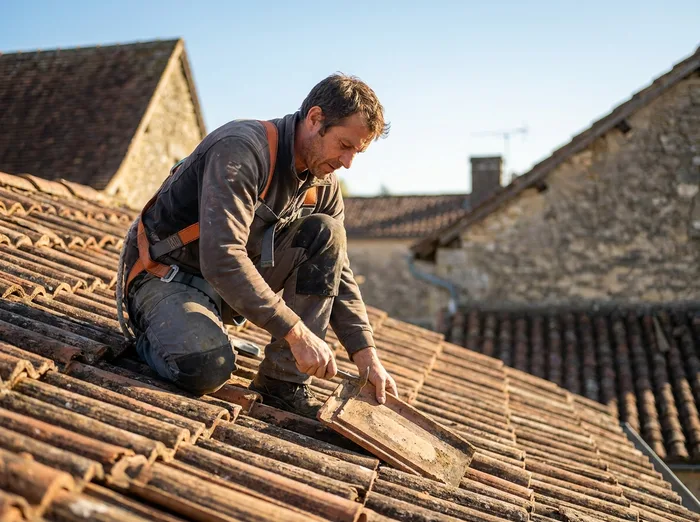
- Roofers and siding installers
- Highway and paving crews, flaggers
- Ironworker and carpenter helpers
Licensed trades such as electricians and plumbers rarely appear, because licensing is state-specific and employers cannot easily use foreign seasonal workers in those roles.
Pay
Construction prevailing wages are among the highest in the H-2B world. In 2026, labourer positions typically pay somewhere around $17 to $25 per hour gross depending on the state and trade, with concrete and roofing work often toward the upper end, plus overtime. This is precisely why fraudulent recruiters love advertising fake construction jobs; the wages make tempting bait.
What is not allowed
Understanding the limits protects you:
- An H-2B visa ties you to the petitioning employer and the listed job. You cannot arrive on a landscaping petition and go work construction for someone else.
- Year-round construction work does not qualify. An offer promising permanent, ongoing construction employment on H-2B is misdescribing the program.
- Nobody can sell you a "construction visa". The employer must obtain a labour certification and file the petition; workers cannot self-petition.
- Charging workers recruitment fees is prohibited. If someone asks you to pay for a US construction job offer, walk away.
What a season looks like in practice
A typical certified construction season in a northern state runs from April to November, mirroring the frost-free window. Spring is site prep, foundations and concrete; summer brings the heaviest volume and the longest days, when 50 to 60 hour weeks with overtime are common on busy crews; autumn is the push to close roofs and pours before freeze-up. Weather cancellations happen, and unlike H-2A there is no three-quarters guarantee of hours, so slow rainy stretches mean thinner paychecks. Housing is another difference from farm work: H-2B construction employers are not required to house you, though many arrange shared rentals with a payroll deduction because crews work in areas workers do not know. Get the housing terms in writing, including what happens if the project moves to another town mid-season, which is common for paving and highway crews.
How to position yourself
Employers filing construction H-2B applications look for demonstrable experience: concrete finishing, formwork, roofing, machine operation or general site labour. Certifications from your home country, an OSHA-style safety course, or photos and references from past projects all help. A driving licence is a plus for crews that travel between sites. Because approvals concentrate in northern states, expect seasons of roughly April to November. For how petitions and consular processing fit together, see how US visa sponsorship works and our general guide to US work visas.
This article is general information, not legal advice. Rules on temporary need and wages change; check uscis.gov and dol.gov for current requirements.
If you have real construction experience, make it visible. Create your free profile on Workmerica, list your trades and years of experience, and let US employers contact you directly. It is free, with no credit card required.
Chcesz, żeby pracodawcy Cię znaleźli?
Załóż profil w 2 minuty. Za darmo, bez karty kredytowej.
Czytaj dalej