Roofer Jobs in the U.S. for Foreign Workers (2026)
 the Us
Roofing is one of the hardest jobs in American construction to staff. The work is hot, high and physically brutal, turnover is constant, and every hail season creates sudden spikes of demand that local labor markets cannot absorb. That combination makes roofing one of the trades where foreign workers genuinely have a foothold - through two quite different visa doors.
Two visa routes: H-2B for seasons, EB-3 for careers
Roofing sits in an unusual position. In northern states, roofing is genuinely seasonal - crews work roughly April to November - so roofing contractors there regularly hire H-2B seasonal workers. In the South, roofing runs year-round, which rules H-2B out but opens the EB-3 skilled or other-worker green card route for employers with permanent shortages. Practically:
- H-2B: temporary, employer-driven, capped annually, common with Midwest and Northeast roofing companies. Read our H-2B seasonal jobs guide for how certification and the cap work.
- EB-3: permanent residence sponsored by an employer, multi-year process, more realistic with large southern roofing contractors who need stable crews.
What roofers earn
Roofing laborers on H-2B contracts typically earn somewhere around $18 to $23 per hour depending on the state's prevailing wage. Experienced roofers - especially those who can run torch-down, standing-seam metal or TPO commercial systems - commonly earn roughly $22 to $30 per hour, and skilled metal roofers more. Piece-rate pay per square is common in residential roofing and fast workers can beat hourly equivalents, though it rewards speed over comfort. Storm restoration work after major hail events often pays a premium. All figures are gross, hedged 2026 ranges.
Where demand concentrates
- Texas, Oklahoma and Colorado: the hail belt - every major storm triggers months of replacement work.
- Florida and the Gulf Coast: hurricane repair plus strict wind codes keep demand permanently high.
- The Midwest and Northeast: compressed seasonal windows create exactly the labor peaks H-2B was designed for.
Certifications and safety
No license is required to work as a roofing laborer in most states (contractors themselves are licensed). What matters is safety training: OSHA fall-protection rules dominate this trade, and an OSHA 10 card is a near-universal expectation on commercial sites. Manufacturer certifications for systems like TPO, EPDM or specific shingle brands add real value for crew leads. If you have documented experience with metal roofing, that is a strong differentiator - it is the fastest-growing and best-paying segment.
Honest warnings
Two things to be clear-eyed about. First, roofing has one of the highest injury rates in U.S. construction; a legitimate employer will provide harnesses, training and safety equipment, and you should treat any that do not as a red flag. Second, scams: no legitimate roofing company or recruiter charges workers for a job offer or visa. H-2B program fees are the employer's responsibility. Anyone selling guaranteed roofing visas is stealing from you.
What a working day actually looks like
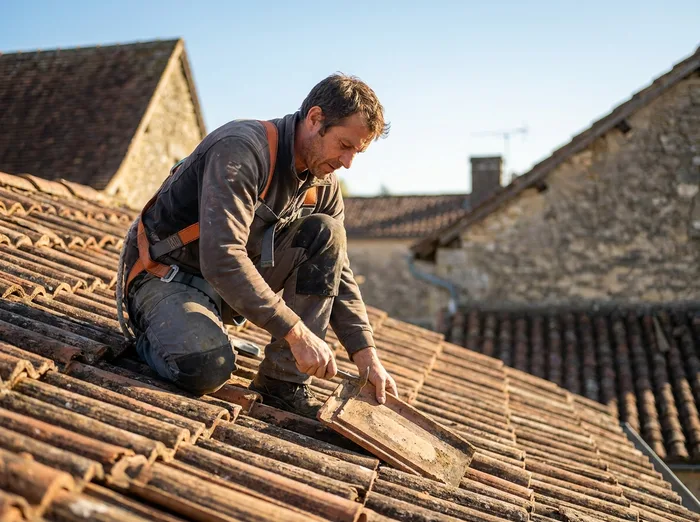
Roofing days start early to beat the heat - crews are often on the roof by 6 or 7 a.m. in summer, tearing off old shingles, drying in decks and laying new material before afternoon temperatures peak. Work is weather-dependent: rain days do not pay on many residential crews, while a stretch of good weather after a hailstorm can mean six-day weeks for months. Physically, expect constant ladder climbs, carrying bundles that weigh over 30 kilograms, and kneeling on hot surfaces; good knees and heat tolerance are the real job requirements. Crews are small and tight, usually three to six people, and a laborer who shows up every day and learns to run a nail gun cleanly can be laying shingles at full rate within one season. That reliability is exactly what turns a first H-2B season into a standing yearly invitation, and it is also what employers mention when they eventually consider sponsoring a proven crew member for something permanent.
General information, not legal advice
This article is general information, not legal advice. H-2B caps, prevailing wages and EB-3 timelines change; verify current rules at uscis.gov and dol.gov or consult a licensed immigration attorney before acting.
Roofing contractors planning next season's crews look for workers early. Create your free profile on Workmerica - it is free, with no credit card needed - and let U.S. employers reach out to you directly when they are staffing up.
Chcesz, żeby pracodawcy Cię znaleźli?
Załóż profil w 2 minuty. Za darmo, bez karty kredytowej.
Czytaj dalej



