Winter Jobs in the U.S.: Ski Country and Beyond (2026)
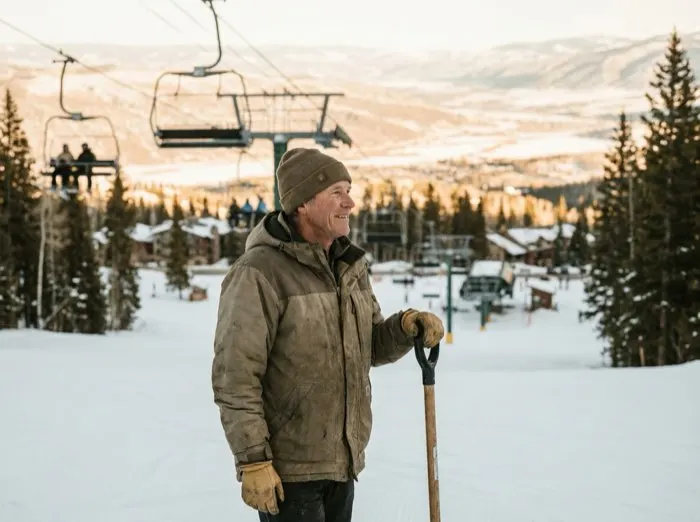
When the northern hemisphere's summer workers go home, a second American hiring wave begins. From roughly November to April, ski resorts, winter hotels and warm-weather "snowbird" destinations need thousands of seasonal staff - and many of them sponsor foreign workers to fill the gap.
Ski country: the obvious winter employer
The big concentrations of ski jobs are in Colorado (Vail, Breckenridge, Aspen, Steamboat), Utah (Park City and the Salt Lake resorts), California and Nevada around Lake Tahoe, Vermont and New Hampshire in the East, and Montana, Wyoming and Idaho for destination resorts like Big Sky and Jackson Hole. Seasons typically run late November through early or mid April, with the busiest stretch from Christmas to spring break.
Roles beyond the slopes
Only a minority of ski-resort staff are instructors. The volume hiring is in lift operations, hotel housekeeping, kitchens, dishwashing, food service, rental shops, ticket scanning and shuttle driving. Lift operator and housekeeping wages typically land somewhere around $16-21 per hour gross in 2026 in the major western resorts, often with perks like a free season pass and discounted meals. As always, the legally binding number is the one on the employer's job order - verify it there.
Winter jobs that have nothing to do with snow
Winter is also high season in the opposite direction. Florida, Arizona and southern Texas fill with retirees and tourists from November to April, so golf resorts, RV parks, hotels and restaurants there run a winter hiring peak. If you would rather serve breakfast in Scottsdale than shovel a lift line at -15°C, the southern circuit is worth a look - and it often pairs neatly with a northern summer job for near year-round work.
Visa route and timing
Most sponsored winter jobs use the H-2B visa for temporary non-agricultural work. Crucially, H-2B visas are capped, and the winter half of the annual quota opens for jobs starting October 1 or later. Employers file their paperwork in the summer, which means recruitment for a November-December start happens around June to September. If you are new to the process, start with our H-2B guide and the broader overview of U.S. work visas.
Housing: the make-or-break question
Ski towns have some of the most expensive housing in America. Vail and Aspen market rents are out of reach on a seasonal wage, so serious employers offer staff housing - dorm-style rooms or shared apartments, commonly deducted at very roughly $100-200 per week depending on the resort. Before accepting any ski-country job, get the housing arrangement in writing: cost, location, distance to work and how many roommates. A job without housing in a resort town is usually a job you cannot actually afford to take.
What to pack and expect
Winter resort work is physical and cold. Outdoor roles mean full shifts at altitude in freezing weather; indoor roles mean long hours during holiday peaks when everyone else is on vacation. Employers usually provide uniforms and outerwear for outdoor positions, but good boots and layers are on you. The reward: strong earning weeks over Christmas and February, a tight international staff community, and often free skiing on days off.
How the winter season actually flows
Understanding the rhythm helps you plan money and energy. Late November to mid-December is training and slow ramp-up - fewer hours, lower earnings, so arrive with a financial buffer. Christmas through New Year is the first all-hands sprint, followed by a January lull when hours can dip, then a second sustained peak from mid-February through March as school holidays and spring breakers roll through. April is teardown and goodbyes. Budget for that January dip rather than being surprised by it, and ask your employer honestly how many hours the quiet weeks typically bring. Workers who pair a strong December with disciplined January spending routinely finish the season with solid savings; those who treat week one's paycheck as typical often struggle.
It is also worth asking about second jobs. Many ski-town workers legally cannot take extra employers on an H-2B visa - your authorization ties you to your sponsor - so the single job's hours have to be enough. This is a key difference from local staff and another reason to get expected weekly hours in writing.
Never pay anyone for a job offer or visa sponsorship - legitimate U.S. employers bear those costs themselves.
This is general information, not legal advice. For official visa rules and current H-2B cap updates, check uscis.gov.
Want ski-country employers to find you before the winter rush? Create your free profile on Workmerica - free, no credit card, and employers contact you directly.
Chcesz, żeby pracodawcy Cię znaleźli?
Załóż profil w 2 minuty. Za darmo, bez karty kredytowej.
Czytaj dalej




