Working in Louisiana as a foreign worker: jobs, pay and cost of living (2026)
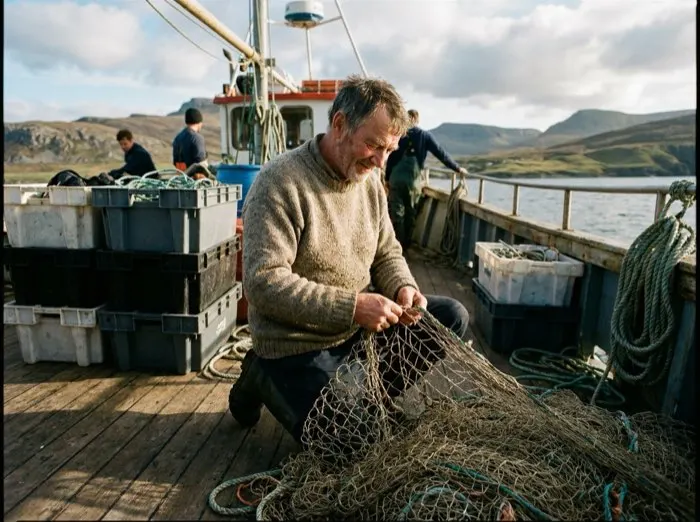
Louisiana's seafood industry is one of the classic H-2B stories in America. Crawfish, shrimp, oyster and crab processing plants along the bayous have relied on legal foreign seasonal labor for decades, because peeling crawfish twelve hours a day in a humid plant is work that local applicants rarely line up for. If you want a proven, repeatable seasonal route into the US, Louisiana is one of the most established.
Which Louisiana industries hire foreign workers
Seafood processing
This is the anchor. Crawfish season runs roughly from late winter through early summer, shrimp seasons follow through summer and autumn, and oyster and crab work fills other months. Plants around Breaux Bridge, Houma, Abbeville and the coastal parishes hire hundreds of H-2B workers every year, many returning to the same employer season after season. Pay often mixes an hourly floor with piece rates - fast, experienced peelers earn noticeably more.
Sugarcane and rice
South Louisiana's sugarcane harvest (roughly September to January) uses H-2A workers for planting, harvest support and mill-adjacent field work. Rice and crawfish are often farmed in rotation on the same land, which creates linked seasonal demand.
Shipyards and oil and gas fabrication
Yards along the Gulf coast build and repair vessels and platforms. Welders, fitters and scaffolders are in recurring demand; some employers have used visa programs for skilled trades, though most such jobs require existing authorization.
Hospitality
New Orleans tourism hires kitchen and housekeeping staff year-round, with peaks around Mardi Gras and festival season.
Pay: what to expect
- Seafood processing (H-2B): hourly floors typically around $13-15, with piece-rate upside for experienced peelers and pickers
- H-2A sugarcane work: the AEWR has recently been roughly $14-15 per hour
- Experienced welders and fitters: often $22-30 per hour
Louisiana has a modest state income tax. Wages here are lower than in Washington or California - but so are costs, and employer-provided housing is common in seafood and farm jobs.
Cost of living
Louisiana is one of the cheapest states in the US. Rural parishes offer housing at prices that surprise newcomers, and many seafood employers house their H-2B crews near the plant. New Orleans itself is pricier but still moderate - a room in a shared place typically $500-800 per month. Food is cheap and famously good.
Climate and community
Summers are long, hot and extremely humid, and hurricane season (June-November) is a genuine factor: storms occasionally shut plants and damage housing, so keep documents and savings accessible. Winters are short and mild. Culturally, South Louisiana is unlike anywhere else in America - Cajun and Creole food, music and French-influenced place names. There are established Mexican and Central American worker communities around the seafood towns, and a large Vietnamese-American community with deep roots in the Gulf seafood industry.
The legal route in
Seafood plants hire through H-2B and cane farms through H-2A; in both, the employer files the petition, as explained in how US visa sponsorship works. Returning workers with a good record are often requested by name. And the standard warning applies with force here: nobody legitimate charges workers for a job offer. If a middleman wants money for a Louisiana plant job, it is a scam.
What plant work is really like
Go in with clear eyes: seafood processing is a physically repetitive indoor job. You stand for long shifts at a stainless table, peeling or picking at speed, in rooms kept cool for food safety while the air outside is tropical. Hands toughen up in the first weeks; gloves, aprons and boots are standard, and plants are sanitary but loud. The upside is hours - during peak crawfish season the work just keeps coming, and piece rates reward the speed you build. Ask each employer how pay is structured (hourly, piece rate, or both), what a typical week's hours look like at peak and in slow stretches, and exactly what housing costs. And treat hurricane season seriously: know the plant's evacuation plan and keep your documents and some cash where you can grab them fast.
This article is general information, not legal advice. Program caps, wage floors and season dates change - verify at dol.gov and uscis.gov.
Seafood employers value reliability above all and often recruit early. Create your free profile on Workmerica - free, no credit card, employers contact you directly. Note any processing or piece-rate experience and let Louisiana plants find you before the season starts.
Chcesz, żeby pracodawcy Cię znaleźli?
Załóż profil w 2 minuty. Za darmo, bez karty kredytowej.
Czytaj dalej