Working in Virginia as a foreign worker: jobs, pay and cost of living (2026)
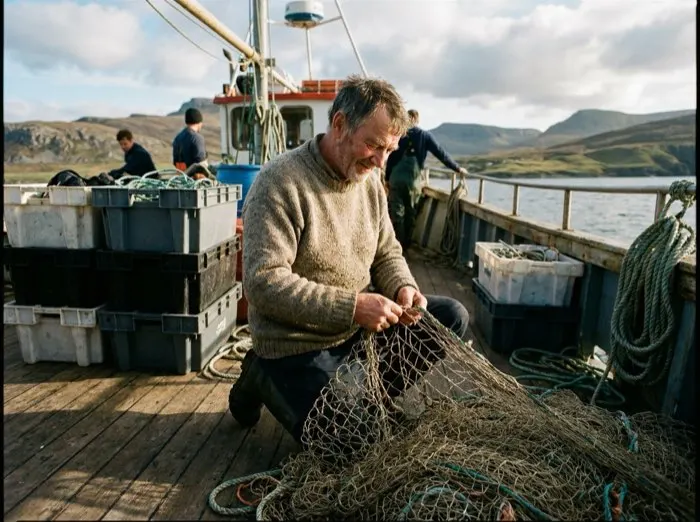
Virginia is really two states in one. Northern Virginia, next to Washington DC, is one of the richest and most expensive regions in America. The rest - the Chesapeake Bay coast, the tobacco south, the Shenandoah Valley - is rural, affordable, and quietly one of the East Coast's steadiest employers of foreign seasonal workers.
Which Virginia industries hire foreign workers
Chesapeake Bay seafood
The crab houses of the Northern Neck and Eastern Shore are a classic H-2B story, much like Louisiana's crawfish plants. Crab picking - extracting meat by hand, paid substantially by piece rate - has been done for decades largely by returning foreign workers, many of them women from Mexico who come back to the same small plants every season (roughly April to November). Oyster processing adds winter work in some operations.
Agriculture: tobacco, apples and vegetables
Southside Virginia still grows tobacco, hiring H-2A crews through the summer and autumn curing season. The Shenandoah Valley and the mountains around Winchester grow apples with an autumn harvest peak, and vegetable and vineyard operations across the state add more H-2A demand.
Coastal hospitality
Virginia Beach and Williamsburg run large summer tourism seasons, hiring housekeepers, kitchen staff and grounds crews, some through H-2B.
Landscaping
The DC suburbs generate one of the biggest landscaping markets on the East Coast, and Virginia contractors are regular H-2B petitioners.
Pay: what to expect
- Crab picking: hourly floors typically around $13-16, but experienced pickers on piece rate can exceed that meaningfully
- H-2A farm work: the AEWR in Virginia has recently been roughly $15-16 per hour
- Northern Virginia landscaping: typically around $16-19 per hour, reflecting the expensive local market
- Coastal hospitality: typically around $13-16 per hour plus tips in some roles
Virginia has a state income tax topping out around 5.75%. Where you work matters enormously here: a landscaping wage that feels tight in Arlington goes much further in the Shenandoah Valley.
Cost of living
Northern Virginia rents rival New York suburbs - rooms commonly $800-1,300 per month. The Eastern Shore, Northern Neck and Southside are among the cheaper places on the East Coast, and seafood and farm employers typically provide or arrange housing for seasonal crews. Groceries and fuel are near the national average.
Climate and community
Summers are hot and humid, especially near the water; winters are moderate, with real snow mostly in the mountains. Hurricane remnants occasionally brush the coast. Northern Virginia is one of the most internationally diverse places in the US - huge Salvadoran, Ethiopian, Vietnamese, Korean and Indian communities. The rural seafood and farm areas are small, quiet, and tight-knit; returning workers often describe their crab-house crews as almost family after years of seasons together.
The legal route in
Seafood and hospitality run through H-2B, farm work through H-2A - always employer-filed, as covered in how US visa sponsorship works. Returning-worker relationships matter a lot in Virginia's small plants: show up, work well, and you are likely to be requested next season. Never pay anyone for a job offer - worker-paid fees are prohibited and signal fraud.
The crab-house rhythm
Crab picking is skilled piece-rate work, and the rhythm takes getting used to: early mornings, a cool picking room, and pay that depends on how many pounds of clean meat you produce. New pickers earn modestly at first; by mid-season, hands learn the pattern and earnings climb. The plants are small - often a dozen or two workers - in quiet waterfront villages where the employer typically arranges housing and transport, because there is no bus and little else nearby. Some workers love the calm; others find it isolating, so know yourself. Seasons run roughly April to November, and some operations offer oyster work in the cooler months, which can extend the year. Ask about both when you interview. A reliable picker who returns for several seasons becomes genuinely valuable to these plants and is often requested by name.
This article is general information, not legal advice. Wage determinations and visa rules change annually - verify current details at dol.gov and uscis.gov.
Small Virginia employers cannot run big recruiting operations - they look for workers who are easy to find and verify. Create your free profile on Workmerica - free, no credit card, and employers contact you directly. List your seafood, farm or hospitality experience and be visible when they search.
Chcesz, żeby pracodawcy Cię znaleźli?
Załóż profil w 2 minuty. Za darmo, bez karty kredytowej.
Czytaj dalej