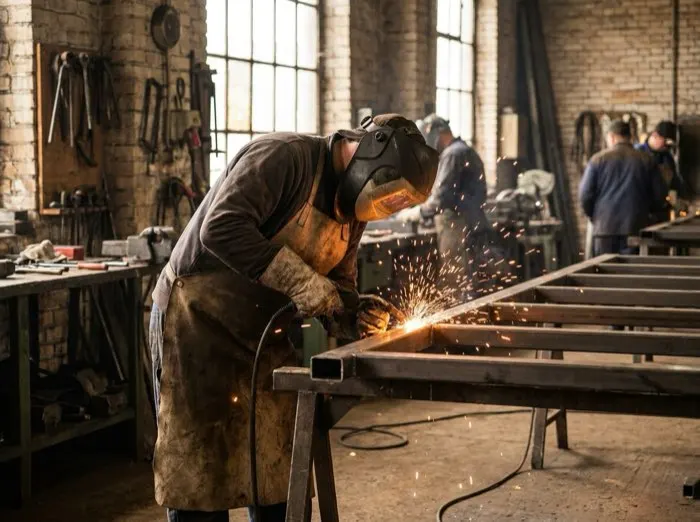
How to Transfer Your Welder License to Hawaii (2026)
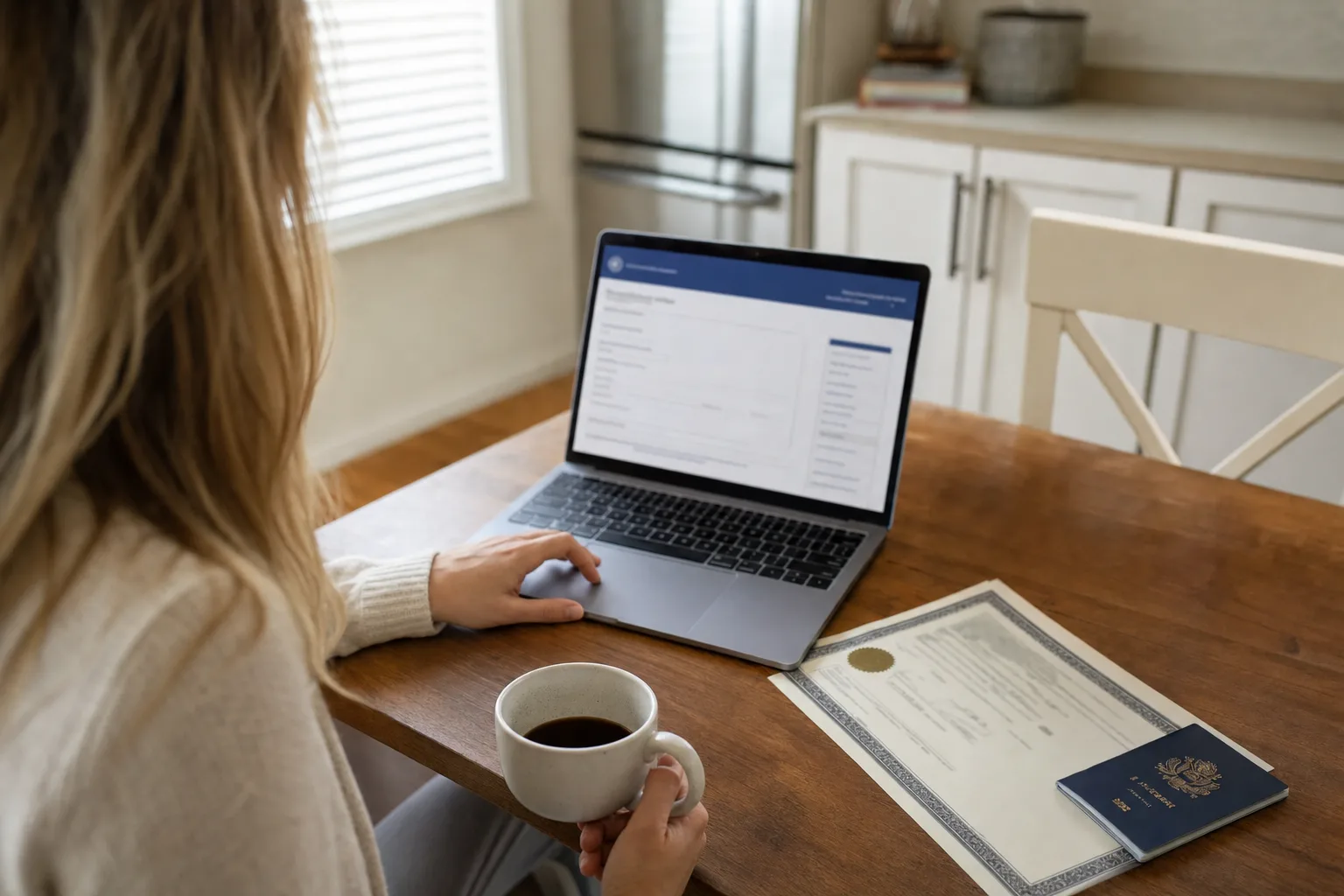
The Structure of Welding Credentials in Hawaii
If you are planning a move to Hawaii as a skilled welder, understanding how the state regulates trade work is crucial. Hawaii does not issue a single, universal statewide journey-level welder license through a central board in the way it does for electricians. Instead, welding credentials in Hawaii operate on a two-tiered system depending on whether you work as an employee or run your own business.
If you work as an employee for an industrial contractor, shipyard, or steel fabricator, your qualifications are tied to specific code certifications. These are verified under American Welding Society (AWS) standards, American Society of Mechanical Engineers (ASME) pressure vessel standards, or specific agency guidelines such as the Hawaii Department of Transportation (HDOT) or county building departments.
If you intend to work independently, bid structural jobs directly, or operate a fabrication shop, you fall under the jurisdiction of the Hawaii Department of Commerce and Consumer Affairs (DCCA) Contractors License Board. In Hawaii, independent welding operations require a Specialty Contractor License under the C-56 Welding Contractor classification.
Does Hawaii Offer Welding Reciprocity?
Hawaii offers no direct state-to-state reciprocity for welding licenses or trade certifications. Holding a journey-level welding card or a contractor license from California, Texas, Washington, or any other state will not automatically grant you an equivalent credential in Hawaii.
National certifications, such as those issued through the AWS Certified Welder program, do transfer in concept because AWS standards are standardized across the United States. However, Hawaii employers and local building officials still require local verification. In almost every case, moving to Hawaii means you must perform a hands-on coupon re-test supervised by a Certified Welding Inspector (CWI) at a local Hawaii-accredited testing facility or at your new employer's shop.
For structural steel projects governed by county building codes, such as those under the City and County of Honolulu Department of Planning and Permitting, county authorities require a local welder qualification record (WQR) tied to the specific project engineer's Welding Procedure Specification (WPS). If you plan to work on state infrastructure like bridges or harbors, HDOT requires testing under their specific qualified list.
Step-by-Step: Transferring Your Welding Certifications
To ensure a smooth transition without losing work days, follow this clear pathway before and after landing in Hawaii:
- Maintain your AWS continuity log: Bring up-to-date documentation showing you have used each process (SMAW, GTAW, GMAW, FCAW) within the last six months. A gap in your log will force you to re-certify entirely from scratch rather than simply renewing or extending your qualification.
- Gather all existing WQR documents: Collect signed Welder Qualification Records from your previous employers, accredited testing labs, and certified inspection agencies. These serve as proof of documented hours and skill history when applying for local tests or contractor licensing.
- Identify your primary industry sector: Determine whether you are targeting Pearl Harbor naval shipyard work, commercial structural construction, utility pipefitting, or custom marine fabrication. Each sector relies on distinct certifying agencies and code standards.
- Schedule testing with a local Hawaii testing facility: Contact an accredited testing facility on Oahu, Maui, or Hawaii Island prior to your arrival. Scheduling your coupon test (such as AWS D1.1 structural steel 3G/4G or AWS D1.2 aluminum) ahead of time reduces downtime between moving and starting work.
- Apply for the C-56 Contractor License if self-employed: If you plan to operate as an independent contractor, submit an application to the Hawaii DCCA Contractors License Board. You must demonstrate four years of journey-level experience within the last ten years and pass both a trade exam and a business and law exam.
Fees, Timelines, and Documentation Requirements
Moving your trade across the Pacific involves specific administrative costs and mandatory waiting periods. You should prepare your budget and schedule around these key figures:
- Coupon testing fees: Expect to pay between $150 and $500 per test position at an accredited testing facility in Hawaii. Costs vary depending on the welding process, test plate thickness, and whether destructive bend testing or X-ray inspection is required. Confirm exact pricing directly on the test facility site before booking.
- DCCA C-56 application and exam fees: If applying for a specialty contractor license, the DCCA application fee is typically around $50, with background check and exam fees ranging from $75 to $150. Initial license issuance fees after passing range between $300 and $600 depending on the year of the biennial cycle. Always confirm current fee schedules on the DCCA official site.
- DCCA application processing time: The DCCA Contractors License Board reviews applications on a strict monthly schedule. Submit your application packet at least 60 to 90 days before you plan to begin contract work. Board approvals cannot be expedited.
- Employer qualification timeline: If taking a job with an established Hawaii contractor, practical coupon testing usually takes 3 to 10 business days from taking the bend test to lab sign-off and placement on the active payroll.
Hawaii-Specific Logistics, Taxes, and Cost Traps
Working in Hawaii as a welder presents operational challenges that mainland tradespeople rarely encounter. Understanding these realities upfront prevents costly surprises.
Hawaii operates a progressive state income tax structure with a top rate of 11%. This high tax rate directly impacts your net take-home pay, so factor state taxes into your wage calculations when negotiating compensation with local employers.
Relocation expenses for trade workers are substantial. Shipping specialized personal gear, such as custom welding hoods, power tools, safety gear, and air-fed respirators across the ocean requires advance planning. Freight shipping via ocean containers takes two to four weeks from West Coast ports. Buying replacement gear on the islands carries significant price markups due to ocean shipping surcharges.
Do not rely on state relocation assistance. There are no statewide programs that pay people to move to Hawaii for trade jobs. Any moving allowances or sign-on bonuses must come directly from private employers or defense contractors.
What People Get Wrong About Welding in Hawaii
- Assuming mainland state licenses transfer directly: Expecting a state trade license or city card from the mainland to give you automatic work clearance in Hawaii without local re-testing.
- Counting on state moving grants: Expecting public relocation funding when there are no statewide programs that pay people to move.
- Neglecting marine environment requirements: Failing to realize that coastal salt air requires extensive use of stainless steel and aluminum, requiring mastery of GTAW and GMAW pulse processes over basic carbon steel SMAW.
- Underestimating state income tax impact: Forgetting that Hawaii's progressive state income tax reaches up to a top rate of 11%, which significantly alters gross-to-net paychecks.
- Shipping heavy gear without checking employer tool lists: Paying thousands to ship full toolboxes only to discover your employer provides heavy equipment and restricts personal shop tools due to site safety rules.
Take the Next Step for Your Move to Hawaii
Relocating your trade to Hawaii requires planning, proper timing for local testing, and an accurate view of island economics. Having your paperwork in order before you land gives you a major advantage over other applicants competing for top-tier industrial jobs.
For full details on local credentialing contacts, state tax breakdowns, and current employer demand, explore the Hawaii page on Workmerica. You will find the trade registry details, complete tax tables, and live job openings across Oahu, Maui, Kauai, and the Big Island. Creating a free profile on Workmerica connects your verified experience directly with Hawaii employers who are actively looking to hire skilled welders moving from out of state.
Pronto para ser encontrado?
Crie seu perfil em 2 minutos. Grátis, sem cartão de crédito.
Continue lendo