How to Transfer Your Cosmetology License to Texas (2026)
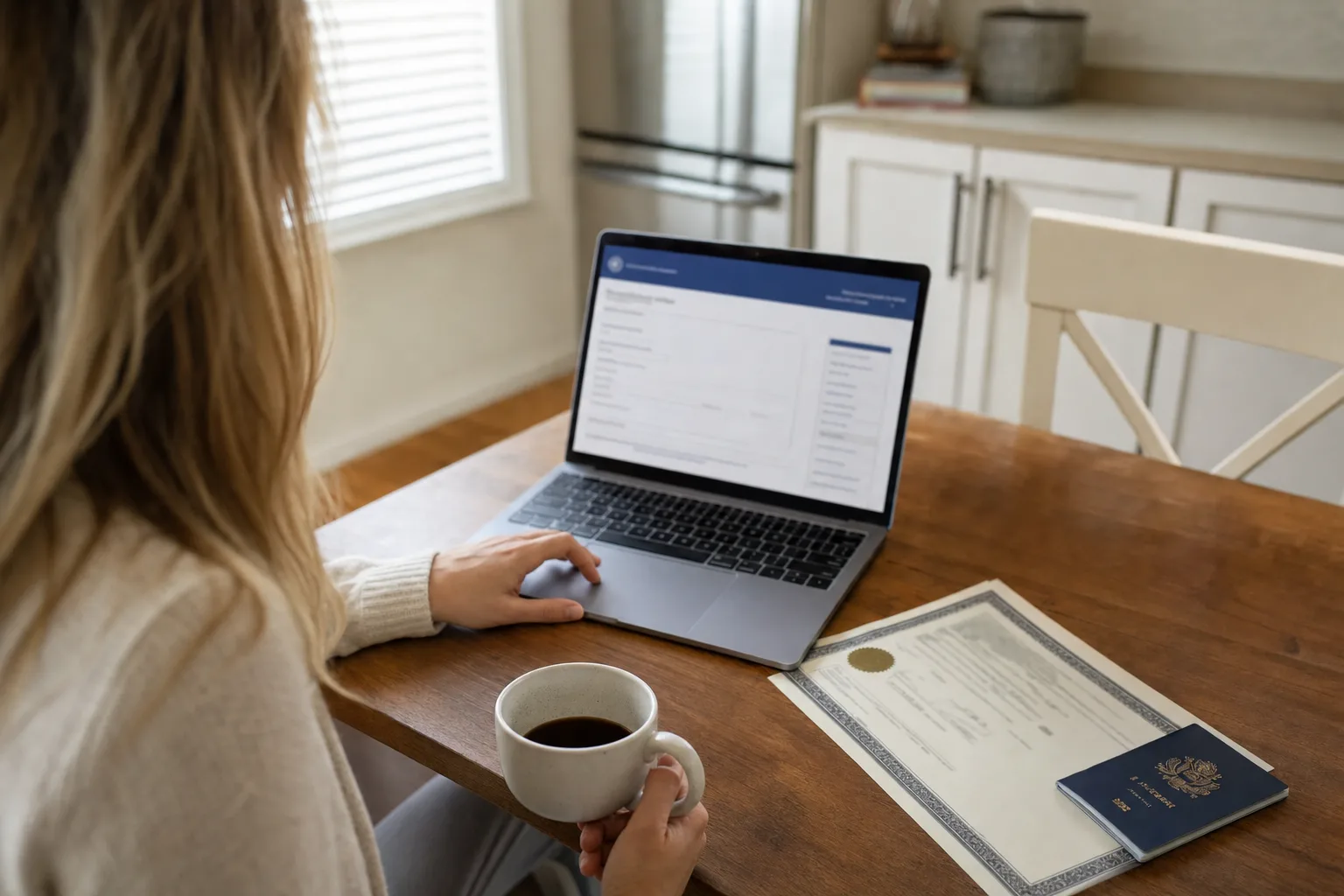
Moving your cosmetology license to Texas: The basics
Relocating your beauty career across state lines requires direct coordination with state regulators before you take your first client. Texas is one of the fastest-growing markets in the country for salon, spa, and shop professionals. The state offers a massive customer base, expanding metro areas like Houston, Dallas-Fort Worth, Austin, and San Antonio, and a significant tax advantage. Texas has no state income tax on wages, which means you keep a larger portion of your earnings whether you work on commission, hourly pay, or booth rental.
However, Texas does not offer automatic license recognition or universal reciprocity. You cannot simply pack your shears, move to Texas, and start working on day one. You must officially apply for reciprocity with the state licensing agency and receive an active Texas license before performing any salon services for compensation. Working without an active Texas license violates state law and can result in severe fines or denial of your license transfer.
The agency in charge: Texas Department of Licensing and Regulation (TDLR)
In Texas, all cosmetology and barbering licenses are issued and regulated by the Texas Department of Licensing and Regulation, commonly known as TDLR. In recent years, Texas consolidated its separate barbering and cosmetology boards under the TDLR umbrella to streamline rules, oversight, and administrative procedures across the state.
When you prepare to transfer your license, TDLR is the sole state agency you will interact with. The department handles application reviews, educational evaluation, criminal background checks, and license issuance. You can check current application processing times, download verification forms, and complete your application directly on the official TDLR website. Fees and processing timelines can change periodically, so you should always confirm current figures on the TDLR site before submitting your paperwork.
How Texas reciprocity works for out-of-state cosmetologists
Texas grants licenses to out-of-state cosmetologists through a process called licensure by endorsement or reciprocity. To qualify, you must hold an active, unencumbered cosmetology license in another US state or territory, and your home state must have licensing requirements that are substantially equivalent to those in Texas.
Here is how TDLR evaluates your background and training hours:
- Training hour standards: Texas requires a minimum of 1,000 hours of instruction for a standard Cosmetology Operator license. If your home state required 1,000 hours or more of accredited training, your educational credentials meet the baseline requirement.
- Work experience substitution: If you obtained your license in a state that required fewer than 1,000 training hours, Texas allows you to substitute verified work experience to make up the difference. TDLR generally counts full-time licensed work experience toward the missing training hours. You will need to submit official work experience verification forms signed by your former employers or tax records if you were self-employed.
- Specialty license transfer: If you hold a specialized license such as an Esthetician license (typically 750 hours in Texas), Manicurist license (600 hours), or Specialty Lash Extension license, TDLR compares your home state requirements against the specific Texas hour requirement for that license class.
- Examination history: You must have passed both a written theory exam and a practical skills exam administered by your home state board or an approved testing vendor. If your home state did not require a practical exam, TDLR may require you to pass the Texas exam before issuing your license.
Step-by-step application process and cost breakdown
Transferring your cosmetology license to Texas is a straightforward administrative process if you complete the steps in the exact order TDLR requires. Expect the full process to take anywhere from 2 to 6 weeks, depending on how quickly your home state board sends your official records.
Follow these standard steps to complete your Texas application:
- Step 1: Request state board verification. Contact the cosmetology board in every state where you currently hold or have held an active license. Request an official Letter of Certification or License Verification to be sent directly to TDLR. Do not open or hold this document yourself if it is mailed to you; TDLR only accepts verifications sent directly from state agencies or through secure state electronic transfer systems.
- Step 2: Complete mandatory Texas training. Before your license can be approved, Texas law requires you to complete an approved Human Trafficking Prevention course. The course must be recognized by the Texas Health and Human Services Commission (HHSC). These courses are available online, take roughly one hour, and generally cost between $10 and $20.
- Step 3: Submit the online TDLR application. Access the TDLR online licensing system and fill out the Out-of-State Reciprocity Application for Cosmetology. You will need your personal contact information, home state license numbers, and background history.
- Step 4: Pay application fees. Pay the non-refundable reciprocity application fee online. The fee typically ranges between $50 and $75. Confirm exact fee amounts on the official TDLR website prior to submission.
- Step 5: Pass the criminal background check. TDLR conducts a standard criminal history background check on all applicants. If you have past criminal convictions, you may need to submit additional documentation explaining the circumstances under TDLR guidelines.
Salon ownership and booth rental rules in Texas
Many cosmetologists moving to Texas plan to work as booth renters or open their own salon suites. Texas has specific regulations regarding independent contractors in the beauty industry that you must understand before signing a commercial lease or booth agreement.
- Booth rental permits: If you operate as an independent contractor renting a chair or suite inside an existing salon, you are operating as an independent business entity. Texas requires booth renters to hold an active individual cosmetology license. Make sure your tax documentation reflects your contractor status.
- Salon gallery and suite leases: If you lease an enclosed suite inside a suite gallery, the gallery facility owner usually holds the overall salon establishment license, while you operate under your personal license. Always verify with the building management that the facility maintains an active TDLR salon license.
- Opening your own salon: If you intend to open your own independent salon or shop, your individual operator license is not enough. You must apply for a separate Cosmetology Salon License with TDLR, pass a salon inspection, and adhere to specific sanitation and equipment standards established by Texas law.
What people get wrong about Texas cosmetology licensing
- Working while waiting: Starting work in a Texas salon while your reciprocity application is pending is illegal. Texas does not issue temporary permits or grace periods for out-of-state transfers.
- Mailing official verification personally: Requesting official license verification, receiving it at your home, and forwarding it to TDLR renders the document invalid. The issuing state board must send it straight to TDLR.
- Skipping human trafficking training: Submitting your TDLR application without completing an HHSC-approved human trafficking course will pause your application until proof of completion is logged.
- Assuming salon licenses transfer: Moving your salon business from another state does not transfer your shop license. Salon establishment licenses do not reciprocate; you must apply for a new Texas salon permit.
- Ignoring continuing education: Renewal cycles in Texas require continuing education credits, including mandatory safety, sanitation, and state law hours. Failing to plan for renewal deadlines can result in late fees or license expiration.
Next steps for your Texas move
Navigating an interstate move requires balancing state regulatory requirements, timing your application submission, and securing employment in your target city. Texas offers great potential for ambitious beauty professionals, reinforced by a strong economy and zero state income tax on wages to help maximize your take-home pay.
When you are ready to prepare your move, explore the Texas page on Workmerica. You will find the complete state registry, up-to-date tax comparison tools, and live job openings across major Texas metropolitan areas. Creating a free profile on Workmerica connects you directly with Texas salon owners and employers actively hiring out-of-state talent.
Готові, щоб вас знайшли?
Створіть профіль за 2 хвилини. Безкоштовно, без картки.
Читати далі