Documents You Need to Work in the USA: The Complete Paperwork Checklist (2026)
Paperwork is where most international job seekers lose time - and sometimes lose the job itself. An employer is ready to move forward, and then weeks disappear because a diploma is not translated or a police certificate takes a month to arrive. The good news: almost everything can be prepared before you even have an offer.
Here is the complete checklist, in the order you should tackle it.
1. A valid passport
Your passport should be valid for at least 6 months beyond your planned stay. If yours expires within a year, renew it now - passport queues in many countries are long, and every other document depends on this one.
2. A U.S.-style CV (resume)
American resumes are short and factual: 1-2 pages, no photo, no birth date, no marital status. List your jobs with dates, your concrete skills, licenses, and measurable results. Write it in simple, clear English.
3. Diplomas and certificates - with translations
- Gather every diploma, trade certificate, and license you have.
- Get certified English translations of each one. A certified translation includes a signed statement from the translator confirming accuracy.
- For some professions (nursing, engineering, teaching) you may also need a credential evaluation - a U.S. agency that confirms your foreign education equals a U.S. qualification.
4. Proof of work experience
Reference letters from previous employers are gold. Ask for them now, while you are on good terms and the company still exists. Each letter should state your role, dates, and main duties - and ideally be in English or translated.
5. Police clearance certificate
Immigrant visa processes (like EB-3) require police certificates from every country where you lived 12 months or more since age 16. These can take weeks to obtain, and they expire - so learn the process in your country now, and request them when your case reaches the right stage.
Create your profile - first 3 days free
6. Medical examination
Immigrant visas require a medical exam by a doctor authorized by the U.S. embassy (a "panel physician"). You cannot use your family doctor. Vaccination records help speed this up, so dig out your vaccination history.
7. The visa application forms
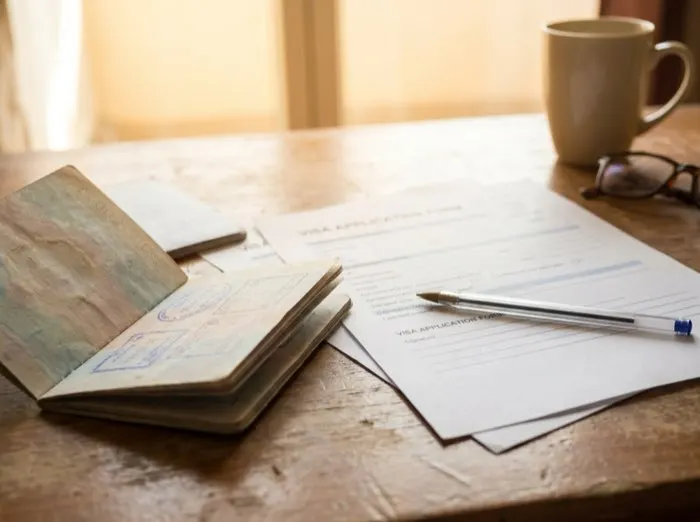
- DS-160 - the online application for temporary visas (H-2B, H-1B, J-1, TN at consulates).
- DS-260 - the online application for immigrant visas (EB-3).
- Both require a passport-style photo meeting U.S. requirements, and both are filled in English.
8. The consular interview
Most applicants attend an interview at the U.S. embassy or consulate. Bring originals of everything: passport, appointment confirmation, petition approval notice from your employer, diplomas, reference letters. Answer honestly and simply - the officer mainly wants to confirm your case matches the paperwork.
Practical tips that save weeks
- Make one master folder - scan every document into a single digital folder, named clearly in English (e.g. "diploma-welding-translated.pdf").
- Never send originals by post unless officially required.
- Check expiry dates - police certificates and medical exams are only valid for a limited time.
- Beware of anyone selling "official document packages" - every form in this process is free or has an official government fee. Nobody can sell you a shortcut.
Employers choose candidates who look ready. A worker with translated diplomas and reference letters in hand is weeks ahead of everyone else.
Start collecting these documents today, and put your skills where U.S. employers can find them. When the right company calls, you will be the candidate who is ready to move. This is general information, not legal advice - always follow the official instructions for your specific visa case.
Ready to be found?
Create your profile in 2 minutes. Free, no credit card.
Keep reading