How to Hire Foreign Plumbers in New York (2026)
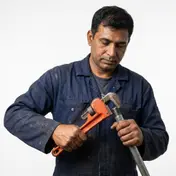
The Plumbing Shortage in New York: A Practical Reality Check
If you operate a plumbing contracting firm, a commercial construction business, or a facility management department in New York, you already know the domestic labor pool is extremely tight. Demand across the New York City metropolitan area, Long Island, the Hudson Valley, and upstate urban centers like Buffalo, Rochester, and Syracuse continues to outpace the supply of licensed journeymen and experienced apprentices. Older trade workers are retiring faster than local vocational pipelines can replace them, leading to delayed project completions and elevated overtime costs.
Before evaluating foreign talent, you must understand a critical operational reality: hiring plumbers directly from abroad into New York is complex and far less common than in uncredentialed trades like framing or roofing. New York does not issue a single, statewide plumbing license. Instead, trade credentials are governed entirely at the local municipal or county level. Additionally, federal immigration channels for skilled trades require specific filings, strict wage commitments, and patience regarding processing timelines.
Because of these regulatory hurdles, many New York employers use foreign hiring primarily for long-term workforce planning rather than immediate emergency staffing. Employers who succeed in bringing foreign plumbers to New York usually combine direct visa sponsorship with a clear plan to transition the worker into local municipal licensing programs upon arrival.
Legal Visa Routes: H-2B, EB-3, and USMCA Limitations
Immigration law is strictly federal and identical in every state. However, how specific visa categories apply to your business depends on whether your staffing need is temporary or permanent. You must evaluate the three main avenues available for bringing foreign technical labor to the United States.
- H-2B Visa (Temporary Non-Agricultural Workers): This visa applies if you can prove a temporary need for extra labor, such as a seasonal peak load or a one-off project spike. The federal H-2B program is subject to a strict annual cap of 66,000 visas nationwide, split between the first and second halves of the fiscal year. Competition for these spots is intense, requiring a lottery system in most years. H-2B workers can remain in the US for up to three years if extensions are granted, but the underlying position must remain temporary in nature.
- EB-3 Visa (Employment-Based Third Preference - Skilled or Other Workers): This is the primary path for permanent, full-time hires. The process starts with a PERM Labor Certification, where you demonstrate to the US Department of Labor (DOL) that you recruited locally in New York and were unable to find qualified US workers willing and available for the position. Once approved, you file an immigrant petition with US Citizenship and Immigration Services (USCIS) to grant the candidate permanent residency (a green card). This path provides a permanent employee, but it involves multi-year timelines.
- USMCA / TN Visa (Trade National): While the USMCA agreement allows certain Canadian and Mexican professionals to work in the US under streamlined TN status, standard plumbers and pipefitters are not explicitly included on the approved USMCA professional trade list. Employers looking at candidates from Canada or Mexico generally cannot use the TN visa for standard plumbing work and must rely on the H-2B or EB-3 categories instead.
Always confirm current filing criteria, program caps, and processing requirements directly with the US Department of Labor, USCIS, or a qualified immigration attorney before starting any visa application process.
New York Licensing and Local Credentialing Requirements
The single biggest hurdle when bringing a foreign plumber to New York is code compliance and local credentialing. Federal immigration approval allows a worker to enter the country legally, but local law dictates whether they can assemble pipework, touch gas lines, or work unsupervised on a jobsite.
Because New York State has no statewide plumbing license, authority is decentralized across local jurisdictions:
- New York City (Five Boroughs): The NYC Department of Buildings (DOB) oversees all plumbing credentials. To work independently as a registered Journeyman Plumber in NYC, an individual must demonstrate years of documented experience working under a direct NYC Licensed Master Plumber. A foreign plumber entering NYC cannot immediately sign off on permits or perform unsupervised work until their practical background is reviewed by the DOB, and they often must work under direct supervision as a trade mechanic while accumulating local field hours.
- Long Island (Nassau and Suffolk Counties): Licensing is handled by individual towns and cities (such as the Town of Hempstead, Town of Oyster Bay, or City of Long Beach) or county boards. Requirements vary, but most require written examinations based on local codes and documented proof of prior trade hours.
- Upstate Cities and Counties: Municipalities like Buffalo, Rochester, Syracuse, and Albany run their own local plumbing examining boards. They enforce local adaptations of the New York State Plumbing Code or International Plumbing Code (IPC).
To navigate this, New York employers typically review candidate qualifications foreign transcript evaluations, notarized work history references, and apprenticeship records prior to making an offer. Upon arrival, the foreign plumber is placed into a defined helper or junior mechanic role under the direct, physical supervision of a licensed local Master Plumber while their foreign experience is submitted to the local municipal licensing board for credit.
Prevailing Wages, Timelines, and Employer Obligations
When you sponsor a foreign worker through either the H-2B or EB-3 route, you are legally bound to pay at least the federal prevailing wage determined by the US Department of Labor for your specific Metropolitan Statistical Area (MSA). You cannot pay a foreign worker less than a domestic worker in the same role, nor can you pay below local minimum wage standards.
- New York Prevailing Wage Ranges: In the New York-Newark-Jersey City MSA and Nassau-Suffolk region, US DOL prevailing base wages for qualified plumbers typically range from $35.00 to $65.00 per hour depending on the specific worker classification level, excluding fringe benefits. In upstate regions like Western New York or the Capital District, prevailing rates generally range from $26.00 to $42.00 per hour. If your project involves public works, state prevailing wage rates under NYS Labor Law Article 8 will apply, which can be significantly higher.
- H-2B Timelines: From the initial filing of the prevailing wage request with the US DOL to the worker's arrival at your New York jobsite, expect the H-2B process to take between 4 and 7 months.
- EB-3 Timelines: Due to federal PERM processing backlogs and immigrant visa processing wait times, the total duration for an EB-3 permanent residency petition ranges from 24 to 48 months from the initial PERM preparation to visa issuance.
- Employer Obligations: For temporary H-2B workers, the employer is legally obligated to provide or pay for inbound and outbound transportation costs from the worker's home country, pay all government filing and legal fees, and provide all necessary tools of the trade without payroll deductions.
What This Costs You, Roughly
Sponsoring a foreign plumber involves upfront legal, regulatory, and administrative expenditures. You should budget for these operational line items as a direct hiring cost. Do not rely on false precision; costs vary based on legal counsel rates and specific visa tracks.
- Legal and Prevailing Wage Filing Fees: $3,000 - $8,000 (attorney fees for PERM processing, DOL filings, and petition preparation).
- USCIS Government Filing Fees: $1,500 - $4,500 (includes base petition fees, fraud prevention fees where applicable, and optional USCIS premium processing fees).
- Credential and Document Translation Fees: $300 - $800 (formal credential evaluations and certified English translations of foreign plumbing licenses and work records).
- Worker Inbound/Outbound Travel: $800 - $2,500 per worker (mandatory roundtrip transit costs under H-2B regulations).
- Local New York Municipal Licensing and Exam Fees: $150 - $500 (application and testing fees paid to municipal licensing boards).
- Total Estimated Cost Range: $5,750 - $16,300 per worker (excluding direct wage costs).
Worker Fee Prohibitions and Employer Legal Liability
Under federal regulations, a legitimate employer or authorized recruitment partner never asks a foreign worker to pay for their own job placement, visa petition, or labor certification. Charging candidates for a job offer, demanding kickbacks, or deducting visa sponsorship expenses from a worker's paycheck is explicitly illegal under US federal law.
Employers who engage recruiters that collect fees from candidates face severe legal liabilities. If the US Department of Labor or USCIS discovers that a candidate paid recruitment fees, your labor certification can be revoked, your visa petitions will be denied, and your firm may be subject to substantial financial penalties or program debarment. Ensure that your hiring process is direct and transparent, and explicitly verify that no third party is extracting payments from candidates you intend to sponsor.
How to Search the Workmerica Registry for Plumbers
Workmerica provides a direct, transparent registry where foreign skilled tradespeople create profiles to showcase their technical background, certifications, and preferred work destinations in the United States. It is designed to remove costly intermediaries and give US employers direct access to prospective workers.
To find potential plumbing candidates for your New York operations:
- Filter by Trade and Destination: Access the registry and select plumbing or pipefitting trades, then filter candidates who have specifically indicated a willingness and desire to relocate to New York State.
- Review Technical Backgrounds: Examine profile summaries detailing hands-on trade experience, piping system familiarity, language proficiency, and existing trade diplomas or certificates.
- Contact Candidates Directly: Reach out to candidates directly through the platform to conduct initial interviews, evaluate trade fit, and discuss credential evaluation requirements.
Workmerica is not a recruitment agency, takes no per-hire fee, and does not place workers for a commission. You manage the interview, decision-making, and immigration legal process yourself. Please note that the Workmerica registry is young and still growing. You will not find thousands of candidates immediately, but you will find motivated individuals who want to work in New York and can be contacted directly without third-party markups.