How to Transfer Your Teaching License to North Carolina (2026)
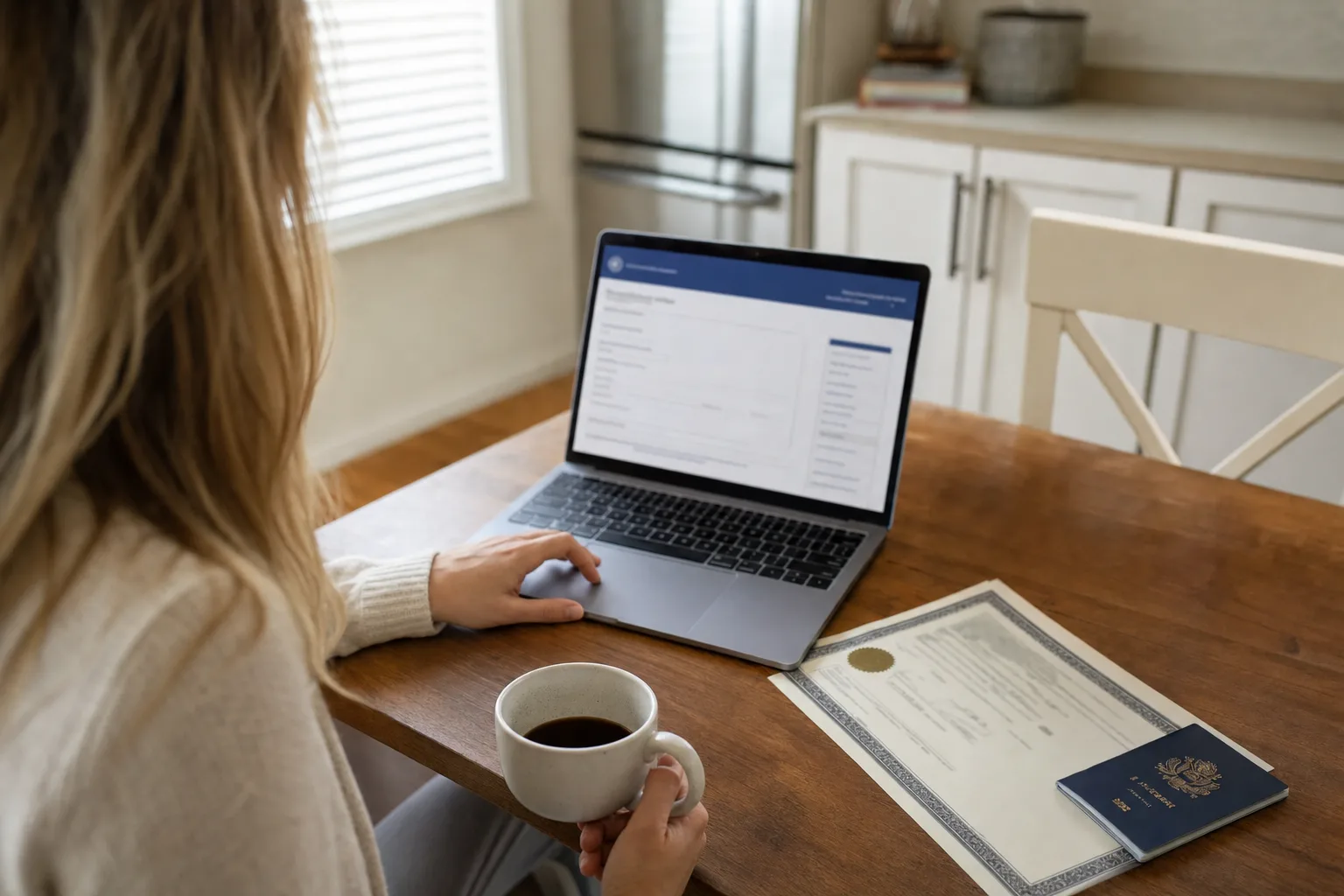
Moving your K-12 teaching career to North Carolina requires navigating the state evaluation process before you step into a classroom. North Carolina welcomes out-of-state educators, but the state does not automatically issue a full license just because you held one elsewhere. You will work directly with the state licensing agency to convert your credentials based on your years of full-time experience and testing history.
This guide breaks down how to transfer your license, what documentation you need to collect, how pay scales work, and the common administrative hurdles that trip up teachers moving from other states.
The North Carolina Licensing Authority and Reciprocity Basics
The single governing body for public educator licensing in the state is the North Carolina Department of Public Instruction (NCDPI), working under the oversight of the North Carolina State Board of Education. All applications, fee payments, document uploads, and status tracking go through the NCDPI Online Licensure System. Do not mail paper applications unless specifically instructed by NCDPI staff.
North Carolina participates in the NASDTEC Interstate Agreement. This agreement facilitates reciprocity, but it does not mean instant standard licensure. Instead, reciprocity means North Carolina recognizes your completed out-of-state teacher preparation program and existing state license as a valid foundation for granting an equivalent North Carolina credential.
Your application pathway depends heavily on your verified full-time teaching experience:
- Fewer than three years of experience: You will generally be issued an Initial Professional License (IPL). You may need to pass North Carolina-required licensure exams if your previous state tests do not match state standards.
- Three or more years of experience: If you have three or more years of full-time teaching experience in another state with satisfactory performance evaluations, you qualify for a Continuing Professional License (CPL). In many cases, verified experience waives additional testing requirements.
Understanding North Carolina License Classifications
When you apply to NCDPI, your out-of-state license will be evaluated and placed into one of two primary license tiers for classroom teachers.
The Initial Professional License (IPL) is a three-year, non-renewable license intended for teachers with less than three years of experience. If you are issued an IPL, you must complete any required state testing (such as specific Praxis Subject Assessments or Pearson Foundations of Reading exams) within that three-year window to upgrade to a standard continuing license.
The Continuing Professional License (CPL) is a five-year renewable license issued to experienced teachers. To renew a CPL down the road, you will need to complete 8.0 Continuing Education Units (CEUs) or 80 clock hours of approved professional development every five years, including specific literacy and subject-area credits.
If you hold a current certification from the National Board for Professional Teaching Standards (NBPTS), North Carolina recognizes this high-level credential. Holding National Board certification streamlines your CPL eligibility and qualifies you for a state-mandated salary supplement once employed by a North Carolina public school unit.
Required Documents and Step-by-Step Application Process
You should begin the application process three to four months before your intended start date. You do not need a job offer in hand to apply for your license, though having a hired status with a local school district can sometimes speed up administrative processing.
Follow these steps to submit a complete out-of-state license transfer application:
- Create an online account: Set up a profile on the NCDPI Online Licensure System.
- Submit official transcripts: Order official degree-dated transcripts from every college or university you attended. Electronic transcripts delivered directly from the institution to NCDPI are preferred.
- Upload out-of-state license: Provide a clean scan of your valid, unencumbered teaching license from your current state.
- Submit exam score reports: Upload official score reports for all teaching exams you passed in your previous state (Praxis, NES, or state-specific exams).
- Complete Form V (Verification of Experience): Have your previous school district employers complete Form V to verify your full-time teaching experience and performance ratings. This form is critical for experience-based test waivers and salary placement.
- Pay the evaluation fee: Submit your payment electronically within the portal to start the review process.
Remember that background checks and fingerprinting are handled by the local employing school system (known in North Carolina as a Local Education Agency or LEA) when you accept a job, rather than directly by NCDPI during initial state credentialing.
Application Fees, Processing Timelines, and Salary Factors
State licensing fees in North Carolina are non-refundable. The standard application fee for evaluating out-of-state credentials typically ranges from $100 to $150. Adding extra endorsement areas or requesting formal upgrades may incur additional fees of $50 to $60. Always confirm current fee schedules on the official NCDPI website before submitting your application.
Processing times fluctuate significantly based on the time of year. Between October and April, applications are typically processed within 6 to 8 weeks. During peak hiring season from May through September, processing times can stretch to 12 to 16 weeks due to the high volume of summer graduates and relocating teachers.
When planning your budget for moving, keep these financial structures in mind:
- State salary schedule: North Carolina uses a statewide base pay scale set by the General Assembly, based on years of experience and licensure level. Individual school districts may add a local supplement on top of the state base pay.
- State income tax: North Carolina has a flat 4.25% state income tax, which simplifies your take-home pay calculations when reviewing potential salary tables.
- Relocation expenses: There are no statewide programs that pay people to move to North Carolina. Any relocation incentives or hiring bonuses are offered strictly at the discretion of individual local school districts.
What People Get Wrong About Moving to NC Schools
Avoid these common misconceptions when transferring your teaching credential to North Carolina:
- Master's degree pay rules: North Carolina does not automatically pay higher salaries for Master's degrees. State law restricts Master's pay supplements to teachers who earned their graduate degree in a field directly related to their teaching license before specific statutory cut-off dates, or where the degree is required for initial licensure.
- Assuming tests automatically transfer: Passing an exam in another state does not guarantee NCDPI will accept it. If the cut scores or test codes do not align with North Carolina standards, you may need to retest.
- Delaying Form V submissions: Experience is not credited based solely on your resume. If your former employers do not submit official Form V documents, NCDPI will place you at entry-level salary steps and issue an initial license instead of a continuing license.
- Confusing state licensing with local hiring: A state license allows you to teach in North Carolina, but school districts operate independently for employment. You must apply directly to individual county or city school boards for open positions.
Ready to Make Your Move to North Carolina?
Getting your teaching credentials established is the first major milestone in your relocation process. Preparing your documentation early ensures you are ready to interview when hiring seasons peak.
Visit the North Carolina page on Workmerica to view the nurse aide registry, check the state flat tax table, browse live job openings, and set up a free profile to connect with North Carolina employers actively recruiting out-of-state educators.
Handa ka na bang mahanap?
Gawin ang profile mo sa loob ng 2 minuto. Libre, walang credit card.
Magbasa pa